Klein PT Launches Massage Therapy in Denver | Deep Tissue, Prenatal, Cupping & More

Klein Physical Therapy Now Offers Massage Therapy in Denver, Colorado

We’re excited to announce a new way to support your healing journey at Klein Physical Therapy: Massage Therapy is now available in our Denver, Colorado clinic!

Whether you’re recovering from injury, managing chronic pain, or simply in need of rest and relaxation, massage therapy can be a powerful addition to your overall care plan.


Why Massage Therapy at Klein?

At Klein Physical Therapy, we believe in a whole body, integrated approach to healing. That’s why offering in house massage therapy was the natural next step in expanding our services.

Our patients often ask for ways to accelerate recovery or maintain progress between physical therapy sessions and now, they can access professional massage therapy right here, under the same roof.


Massage therapy complements the work we do in physical therapy by:

  • Reducing muscular tension and stress that can limit mobility

  • Improving circulation and tissue recovery

  • Supporting posture, movement quality, and core activation

  • Enhancing relaxation, which plays a key role in nervous system regulation

  • Promoting recovery from childbirth, orthopedic injury, or pelvic floor dysfunction

Whether you’re seeking support for postpartum healing, managing pelvic floor pain, or simply looking to care for your body through life’s physical demands, massage therapy is a clinically supported, evidence based tool that can make a difference.


Meet Katie Crites, LMT

Licensed Massage Therapist | Serving Denver, Colorado and the surrounding area

We’re proud to welcome Katie Crites, LMT to our team. Katie is a licensed massage therapist and a graduate of the Colorado School of Healing Arts, where she completed 650 hours of massage therapy training.

Katie brings a unique blend of clinical skill, athletic insight, and compassionate care. She collaborates closely with our physical therapists to ensure each massage session aligns with your treatment goals, whether you’re recovering from a specific injury or looking to maintain overall wellness.

Techniques Offered:

  • Swedish and Deep Tissue Massage

  • Sports and Prenatal Massage

  • Neuromuscular and Trigger Point Therapy

  • Myofascial and Integrative Massage

  • Cupping

Katie customizes every session to your needs, whether it’s increasing your range of motion, decreasing muscle tightness, or simply allowing your body to rest and reset.

Her approach is deeply client centered and evidence based, built around listening to your body, supporting your goals, and helping you feel at home in your skin again.

A Therapist Who’s Walked the Path of Recovery

Before becoming a massage therapist, Katie spent eight years running a whitewater kayaking nonprofit and training as a professional freestyle kayaker. Her own experience with injury and physical recovery gives her a deep, personal understanding of what it takes to rebuild strength, regain balance, and move forward with confidence.

That lived experience informs every session she offers, making her not only a skilled therapist but also a compassionate partner in your care.


Frequently Asked Questions

Is massage therapy safe during pregnancy?

Yes. Katie is trained in prenatal massage and offers supportive care for pregnant clients. Massage during pregnancy can help relieve lower back pain, pelvic discomfort, and overall stress.

Do I need to be a physical therapy patient to book a massage?

No referral is necessary. Whether you’re already seeing one of our therapists or are brand new to Klein Physical Therapy, you’re welcome to book a massage as a standalone service.

How do I schedule a massage?

You can call the clinic or book online through our website. We recommend scheduling in advance, as appointments fill up quickly.


Ready to Experience Massage Therapy in Denver?

Whether you’re looking to enhance your recovery, prevent injury, or invest in your well being, massage therapy at Klein Physical Therapy offers a trusted, personalized experience, right here in our Denver clinic.

Book your session today and take the next step toward whole body healing.

Book A Massage

The Rise of “Prehab”: Preparing Your Body for Pregnancy, Birth, or Menopause

The Rise of “Prehab”
Preparing Your Body for Pregnancy, Birth, or Menopause

Prehab, short for preventive rehabilitation, is a proactive approach to physical therapy that helps strengthen and prepare your body before major physical or hormonal changes like pregnancy, childbirth, or menopause.

Traditionally, physical therapy is something women turn to after an injury, birth, or the onset of menopausal symptoms.

But lately, you may have seen the term “prehab” gaining traction on TikTok and social media, and for good reason.

What if your body didn’t have to play catch up?
What if you could prepare it, intentionally and proactively, for the transitions ahead?

That’s the heart of prehab: strengthening, supporting, and educating your body before it’s tested by major physical or hormonal changes.

At Klein Physical Therapy, we’re encouraged to see women’s health care moving toward more proactive, well rounded, whole body treatment plans, an approach that’s been at the heart of our practice from the start.

Why Prehab Matters for Every Stage of Womanhood

Your body constantly adapts - to hormones, stress, activity, and life’s many seasons. Over time, those changes can create subtle imbalances in your posture, breathing, and pelvic alignment.

Our whole body approach looks beyond isolated symptoms to see how these systems work together. “Prehab” addresses those shifts early, helping you build strength, mobility, and awareness before discomfort or dysfunction appear.

Whether you’re planning for pregnancy, preparing for childbirth, or approaching menopause, prehab allows you to stay one step ahead, supporting your body proactively instead of waiting for pain to start.

Preparing for Pregnancy: How Prehab Helps You Prepare for Pregnancy

Just as athletes train before a marathon, your body benefits from intentional preparation before pregnancy.

Benefits of Prehab for Pregnancy:

  • Improve posture and core coordination

  • Release restrictions that may affect pelvic or uterine mobility

  • Support healthy breathing and abdominal pressure management

  • Build strength for carrying and delivering your baby

Think of it as training your muscles and nervous system for the physical and hormonal changes to come. When your foundation is strong, your pregnancy and postpartum recovery becomes more comfortable, confident, and resilient.

Prehab for Birth: Supporting the Body Through Change

During pregnancy, your body transforms daily. Your center of gravity shifts, ligaments loosen, and your pelvic floor carries increasing demand.

Prenatal pelvic physical therapy focuses on keeping your body balanced through these changes. At Klein PT, we use gentle manual techniques, targeted movement, and breath retraining to:

  • Reduce back, hip, and pelvic pain

  • Improve pelvic mobility for labor

  • Support optimal baby positioning

  • Promote easier recovery after delivery

Every pregnancy is unique, which is why we tailor each session to your specific body, lifestyle, and goals.

Preparing for birth isn’t just about the baby, it’s about your body’s ability to move, open, and recover with ease.

Preparing for Menopause: Strength, Stability, and Connection

Menopause marks another major transition in a woman’s life, one that deserves preparation, not reaction.

Physical therapy during perimenopause helps maintain pelvic muscle tone, bladder control, and joint mobility while supporting hormonal and bone health. 

It’s about helping your body age with grace and strength so you can stay active and confident in every season of life.

Our whole body approach may include:

  • Visceral mobilization to improve circulation and organ mobility

  • Myofascial decompression to release tension and restore alignment

  • Tailored exercise programs to build strength and maintain muscle mass

You don’t have to wait for symptoms like leakage, prolapse, or pain to begin. Preventive care now can make the next chapter far more comfortable and empowering.

The Science of Prevention: Why Early Care Works

You don’t have to wait for pain to start to begin healing.

Research continues to show that when part of a comprehensive approach, early and targeted physical therapy may reduce long term pain, improve function, and enhance quality of life. (source) (source)

By supporting the way your body moves and restores itself before problems develop, preventative care may help prevent chronic issues, saving both time and emotional energy later.

At Klein Physical Therapy, our clinicians take a whole body approach to care, using evidence based techniques such as dry needling, joint mobilization, and guided exercise, all tailored to your unique needs, to help your body do what it’s designed to do.

The Klein PT Approach: Proactive, Personalized, and Empowering

No matter what stage of life you’re in, preparing for pregnancy, navigating birth, or approaching menopause, your body deserves care that helps you thrive, not just recover.

At Klein PT, we partner with you to create a plan that aligns with your goals, lifestyle, and stage of life.

Ready to Begin Your Journey?

You don’t have to wait until your body asks for help, give it the care and preparation it deserves now.

Schedule a consultation to learn how pelvic floor physical therapy can support your next stage of wellness.

Schedule A Consultation

FAQ: Prehab and Women’s Health

What is Physical Therapy Prehab?
Prehab, or preventive rehabilitation, is a proactive approach to physical therapy that helps strengthen and prepare your body before major life transitions like pregnancy, birth, or menopause.

When should I start Physical Therapy prehab?
You can begin prehab at any stage, before conception, during pregnancy, or throughout perimenopause or menopause. The goal is to prepare your body before symptoms arise.

Is prehab only for athletes or active women?
Not at all. Prehab is for every woman who wants to move comfortably, stay active, and feel confident in her body through each stage of life.

7 Surprising Triggers for Lichen Sclerosus Flares and What You Can Do About Them

7 Surprising Triggers for Lichen Sclerosus Flares and What You Can Do About Them

If you’re managing lichen sclerosus (LS), you know flare ups can feel unpredictable. But what if you could identify your triggers and reduce their impact?

At Klein Physical Therapy, we specialize in pelvic floor therapy and work closely with clients navigating chronic conditions like lichen sclerosus. And while LS is complex and still not fully understood, there are certain patterns we see over and over especially when it comes to what sets off a flare.

In this article, we’re highlighting 7 lesser known triggers of LS flares, why they matter, and what you can start doing differently today to protect your skin, your comfort, and your confidence.

black and white image of woman in chair

What Is a Lichen Sclerosus Flare Up, Exactly?

Lichen sclerosus is a chronic inflammatory skin condition that primarily affects the vulva and perineum (though it can appear elsewhere). Symptoms often include:

  • Intense itching or burning

  • Fragile, tearing skin

  • Discoloration or white patches

  • Pain with intercourse or inserting a tampon

  • Urinary changes or pain with urination

Flares refer to periods when these symptoms suddenly worsen, often due to internal or external triggers.


1. Stress (Yes, Emotional Stress Can Trigger Physical Symptoms)

This is one of the most underestimated flare triggers. Emotional stress can raise your body’s inflammation levels, compromise immune function, and even affect how your pelvic floor muscles behave, leading to more pain, itching, and tissue sensitivity.

What can help:

  • Deep breathing or grounding exercises

  • Gentle movement or walks

  • Sleep hygiene (7–9 hours of quality sleep)

  • Seeing a mental health provider or support group

Stress isn’t “all in your head”, it can show up in your skin, too.

2. Friction from Clothing or Daily Movement

Tight jeans, thong underwear, synthetic fabrics, and even bike seats can create micro irritation, especially when your tissue is already fragile. Friction also raises heat and moisture levels, making the area more prone to inflammation.

What can help:

  • Wear loose fitting, breathable cotton underwear and bottoms

  • Avoid prolonged sitting on hard or high friction surfaces

  • Consider using a barrier cream if you know you’ll be active or sweating


3. Hygiene Products with Harsh Ingredients

Soaps, wipes, bubble baths, and even certain laundry detergents often contain chemicals that disrupt the skin barrier. This can lead to increased irritation or a prolonged healing time after a flare.

What can help:

  • Use warm water only to cleanse the vulva

  • Choose unscented, pH balanced cleansers

  • Avoid scented detergents and dryer sheets

  • Pat dry instead of wiping


4. Hormonal Shifts (Especially Menopause or Postpartum)

LS often worsens when estrogen levels drop, like during menopause, breastfeeding, or postpartum. Lower estrogen can cause the skin to become thinner, drier, and more prone to tearing.

What can help:

  • Ask your physician about localized estrogen therapy

  • Use a vulvar moisturizer daily

  • Soak in a warm Sitz bath and apply a barrier cream afterward

  • In our office, we also offer a feminine rose balm, a gentle, soothing option designed to support hydration and comfort for sensitive skin

5. Sexual Activity Without Support

For many with LS, intercourse can trigger flares due to friction and loss of tissue flexibility. That said, sex can still be comfortable with the right preparation and treatment.

What can help:

  • Use a high quality lubricant. We often recommend Slippery Stuff, Good Clean Love, or UberLube, since they’re clean products without the additives and irritants that can make LS symptoms worse

  • Soak in a Sitz bath after intercourse to soothe tissues

6. Diet and Gut Health

While research is ongoing, many patients report improvements when they reduce inflammatory foods. Gluten, dairy, sugar, and alcohol are common culprits.

What can help:

  • Keep a food and symptom journal

  • Prioritize gut friendly foods like leafy greens, healthy fats, and fermented options

7. Prolonged Moisture or Sweaty Clothing

Moisture creates the perfect environment for irritation. Staying in a wet swimsuit, workout clothes, or even sweaty underwear can lead to a flare.

What can help:

  • Change out of wet clothing as soon as possible

  • Use breathable fabrics during exercise

  • Air-dry or use a cool hair dryer on low after showering

  • Avoid pantyliners unless necessary, they can trap moisture

How Pelvic Floor Physical Therapy Can Help

At Klein Physical Therapy, we offer evidence-based care tailored to each person. If you’re struggling with:

  • Painful sex

  • Tissue scarring or tightness

  • Bowel or bladder changes

  • Chronic itching, burning, or tension

…we can help. Our pelvic floor therapists use gentle manual therapy, scar tissue mobilization, relaxation techniques, and education to help restore comfort, improve mobility, and reduce flare frequency.


You Deserve Relief. And We’re Here to Help.

Lichen sclerosus can feel isolating, but you’re not alone. With the right care, awareness, and support, you can manage symptoms and take back control of your body and your life.

If you’re in the Denver, Colorado area, we’d love to walk this journey with you.

Click Here to Book an appointment with our pelvic health specialists

Looking for more information on Lichen Sclerosus?

What Causes Lichen Sclerosus to Flare Up? And What Can Help?

Constipation and Physical Therapy: A Natural, Lasting Solution


Constipation and Physical Therapy
A Natural, Lasting Solution

Constipation is more than just an occasional inconvenience it can significantly impact your daily life, comfort, and overall health. While many turn to over the counter remedies for relief, few realize that physical therapy, particularly pelvic floor therapy, can offer a long term, natural solution for chronic constipation.

At Klein Physical Therapy, we specialize in addressing the root causes of constipation through a whole-body, evidence-based approach that empowers your body to function optimally.

What Is Constipation?

Constipation is generally defined as having fewer than three bowel movements per week, but it can also involve straining, hard stools, or a sense of incomplete evacuation. While diet and hydration play a big role, muscular dysfunction, especially of the pelvic floor, can often be the underlying culprit.

What is The Pelvic Floor’s Role in Bowel Movements?

The pelvic floor muscles are responsible for supporting your abdominal organs and coordinating with the rectum and anus during bowel movements. If these muscles are too tight (hypertonic) or too weak (hypotonic), they can interfere with your ability to have regular, complete bowel movements.

Pelvic floor dysfunction may cause:

  • Difficulty initiating a bowel movement

  • Straining during defecation

  • The feeling of incomplete evacuation

  • Abdominal bloating and discomfort

This is where physical therapy for constipation becomes a game changer.


How Physical Therapy Helps Constipation

A skilled pelvic floor physical therapist can identify and treat the muscular, neurological, and behavioral patterns contributing to your constipation. At Klein Physical Therapy, our approach includes:

Pelvic Floor Muscle Retraining
Through biofeedback, manual therapy, and guided exercises, we teach you how to properly coordinate the pelvic floor muscles during bowel movements.

Visceral Manipulation
This gentle, hands-on technique helps improve mobility and function of the abdominal organs, including the colon, promoting better motility and digestion. As part of your personalized care, we also teach you simple, effective abdominal massage techniques you can use at home, giving you tools to feel better beyond the clinic.

Myofascial Release & Joint Mobilization
Tension or misalignment in the spine, hips, or abdomen can influence bowel function. Releasing these restrictions can significantly improve symptoms.

 Breathing and Posture Education
Proper diaphragmatic breathing and posture support healthy digestion and reduce straining, which can worsen pelvic floor dysfunction.

Whole Body Lifestyle Guidance
We consider your entire system nutrition, hydration, movement, stress, and sleep to create a personalized care plan that promotes regularity and wellness.

Low Pressure Fitness (LPF)
Low Pressure Fitness uses postural training and specific breathing techniques to reduce intra-abdominal pressure, improve core strength, and support pelvic floor function.  This fitness technique also naturally provides deep movement to the viscera, which acts as a deep intestinal massage, excellent for motility.  

Our expert pelvic floor therapist, Lea, is LPF-certified and brings over 20 years of experience to each session. She leads a weekly LPF class right here at our clinic in Denver’s South Downing Business District.

Low Pressure Fitness with Lea
Every Wednesday | 1:30–2:15 PM
Klein Physical Therapy – Denver, CO
For more info or to join,
email Lea


Why Choose Physical Therapy Over Laxatives?

While laxatives might offer temporary relief, they don’t address the underlying musculoskeletal or neuromuscular dysfunction that may be causing constipation. Overuse of laxatives can also lead to dependency or worsen the problem.

Physical therapy is a natural, sustainable solution that promotes lifelong health by empowering you with tools, awareness, and strength to manage your bowel health independently.


Who Can Benefit from Physical Therapy for Constipation?

  • Pregnant and postpartum individuals experiencing hormonal or structural changes

  • Individuals with a history of chronic constipation or straining

  • Children or teens with functional constipation

  • Adults with pelvic organ prolapse or pelvic floor dysfunction

  • Athletes with core and pelvic floor imbalances

  • Individuals recovering from abdominal or pelvic surgery


Real Relief Through a Compassionate, Personalized Approach

At Klein Physical Therapy, we take pride in offering compassionate, evidence based care rooted in integrity and whole body wellness. We understand how personal and frustrating constipation can be, and we’re here to help you feel heard, supported, and empowered every step of the way.


Ready to Find Relief?

Don’t let constipation control your life. With a customized physical therapy plan, relief is not just possible, it’s within reach.

Call us today or schedule an appointment online to learn how physical therapy can help you.

5 Pelvic Floor Tips Every Pregnant and Postpartum Mom Needs to Know

5 Pelvic Floor Tips Every Pregnant and Postpartum Mom Needs to Know

Whether you’re expecting your first baby, navigating early postpartum recovery, or several years into motherhood, your pelvic floor health matters. At Klein Physical Therapy, in Denver Colorado, we believe that women deserve expert, compassionate care that honors the whole body, not just symptoms.

Here are five essential pelvic floor tips every mom should know, because thriving, not just surviving, is the goal.


1. Leaking Is Common, But Not Normal

If you’re experiencing bladder or bowel leakage, or even trouble controlling gas, it’s a sign of pelvic floor dysfunction. This can happen during everyday activities like coughing, sneezing, laughing, jumping, or working out.

Here’s the good news: leaking is treatable. You don’t have to live with it or chalk it up to “just part of having kids.” Through targeted pelvic floor therapy, we can help you restore control and confidence, without pads or surgery.


2. Pain With Intimacy Is a Warning Sign 

If you’re having pain during intimacy, discomfort with penetration, or a sense that “something just isn’t right,” your pelvic floor may need support. This can show up right after birth or even years later.

These symptoms are common but absolutely treatable. You deserve to feel safe, connected, and comfortable in your body. With a personalized treatment plan, we’ll work together to address the underlying issues and help you reclaim comfort and intimacy.


3. That “Heavy” Feeling Down There, Might Be Pelvic Organ Prolapse

A sense of heaviness, bulging, or dragging in the pelvic area could be a sign of pelvic organ prolapse. It often feels worse at the end of the day or during physical activity, and many moms describe it as a “falling out” sensation.

Prolapse is manageable and you don’t have to stop doing the things you love like running, hiking, or carrying your little ones. At Klein Physical Therapy, we’ll guide you with specific exercises and education specific to you, to help you safely support your body.


4. Hip, Tailbone, or Back Pain That Won’t Go Away? It Could Be Pelvic Floor Related

If you’ve been dealing with chronic low back pain, tailbone pain, or hip pain that hasn’t responded to traditional treatments, your pelvic floor might be the culprit.

The pelvic floor connects with your entire core and spine, so when it’s not functioning well, your whole body feels it. We specialize in identifying these connections and helping you find lasting relief, not just short term fixes.


5. “Waiting It Out” Isn’t a Treatment Plan

We know moms are often told to “give it time” but research shows that if symptoms like leaking, pain, or heaviness aren’t resolving within 6 to 12 weeks postpartum, they’re unlikely to go away on their own.

Your body deserves support, not silence. Kegels alone are not a treatment plan, and won’t fix deep pelvic dysfunction. We’re here to provide real solutions tailored to your body, your goals, and your life.

Most importantly: your health matters. You are not selfish for seeking care, you are wise, brave, and worthy.


Ready to Feel Like Yourself Again?

At Klein Physical Therapy, we offer gentle, hands on, whole body care to support your healing journey through pregnancy, postpartum, and beyond. Whether you’re a new mom or years into motherhood, we’re here for you every step of the way.

Book your consultation today and take the first step toward achieving lasting results and rediscovering your best self.

Schedule an appointment


Curious about what pelvic floor physical therapy really involves? These recent blog posts offer a deeper look into how it can support your health:

Why Every Woman Should Know About Pelvic Floor Therapy - Even If You’re Not Postpartum
Postpartum Pelvic Floor Rehabilitation
Understanding Pelvic Floor Dysfunction: Signs, Symptoms, and Solutions

What Is Visceral Mobilization and How Can It Help You Heal?

What Is Visceral Mobilization and How Can It Help You Heal?

At Klein Physical Therapy, we’re passionate about whole body healing. That means looking beyond just your muscles and joints, we care about how every system in your body works together. One technique we use to support this approach is visceral mobilization. It might sound complex, but it’s a gentle, effective therapy that can make a big difference, especially when you’re dealing with pelvic pain, digestive discomfort, or post surgical tightness.

Let’s explore what visceral mobilization is, how it works, and who can benefit from it.


What Is Visceral Mobilization?

Visceral mobilization is a hands-on manual therapy technique focused on the internal organs, also known as your viscera, such as the bladder, uterus, intestines, and liver. These organs are connected to each other and to your musculoskeletal system through connective tissues called fascia. When those tissues become restricted, due to surgery, inflammation, trauma, or even chronic stress, they can cause pain, limit movement, and disrupt organ function.

Through gentle, precise movements, visceral mobilization helps release these restrictions. The goal is to restore your body’s natural mobility and improve the function of the organs and surrounding tissues.

How Does It Work?

During a visceral mobilization session at Klein Physical Therapy, one of our trained therapists uses their hands to assess the movement and positioning of your internal organs. Using subtle, therapeutic techniques, we encourage these tissues to move more freely, improve circulation, and support your body’s natural healing processes.

The technique is non-invasive and typically very gentle, but it can have powerful effects, especially when integrated into a personalized treatment plan.

Who Can Benefit from Visceral Mobilization?

This therapy can support healing in many areas, including:

  • Pelvic pain (especially when caused by organ tension or scar tissue)

  • Postpartum recovery (helping realign the uterus and support bladder and bowel health)

  • Constipation, bloating, or IBS

  • Painful intercourse

  • Urinary frequency or urgency

  • Scar tissue mobility after abdominal or pelvic surgery (like C-sections or hysterectomies)

  • Lower back or hip pain that hasn’t responded to traditional therapy

  • Endometriosis and related pelvic tension or organ adhesions

  • People trying to conceive, especially those managing pelvic or abdominal restrictions that may impact reproductive health

Because your organs and musculoskeletal system are so interconnected, even subtle restrictions can have a ripple effect throughout your body. Visceral mobilization is one way we help bring balance back.


Why We Use Visceral Mobilization at Klein PT

We believe in treating the whole person, not just the symptoms. Visceral mobilization fits perfectly with our philosophy of care. It allows us to look beyond the obvious and uncover the deeper, often hidden restrictions that might be contributing to your pain or dysfunction.

Our team is specially trained in this technique, and we often integrate it with other therapies such as dry needling, myofascial decompression, and pelvic floor therapy for a more complete healing experience.


Ready to Feel the Difference?

If you’re struggling with lingering pelvic discomfort, digestive issues, or endometriosis, visceral mobilization might be the missing piece in your healing journey.

We’re here to answer your questions, listen to your concerns, and build a personalized care plan that fits your body and your life.

Schedule a consultation today and let’s talk about how we can support your whole-body wellness.

Schedule a Consultation

Interested in learning more about how physical therapy can support your wellness from every angle? Check out these related articles:
Does Physical Therapy Help for Endometriosis?

Common Reasons Women See Physical Therapists

Why Every Woman Should Know About Pelvic Floor Therapy - Even If You’re Not Postpartum

Dr Kimberlie Landers, Klein Physical Therapy

Why Every Woman Should Know About Pelvic Floor Therapy - Even If You’re Not Postpartum

When most people hear “pelvic floor therapy,” they immediately think of postpartum care, and it’s true, pelvic PT is incredibly helpful after birth. But here’s the truth: pelvic floor therapy is for all women, whether you’ve had a baby or not.

From unexplained back pain to bladder leakage when laughing or running, pelvic floor dysfunction often hides in plain sight and too many women are told to “just live with it.” At Klein Physical Therapy, we want to change that. It starts with understanding what your pelvic floor is, what it does, and how therapy can help you thrive at every stage of life.

What Is the Pelvic Floor, Anyway?

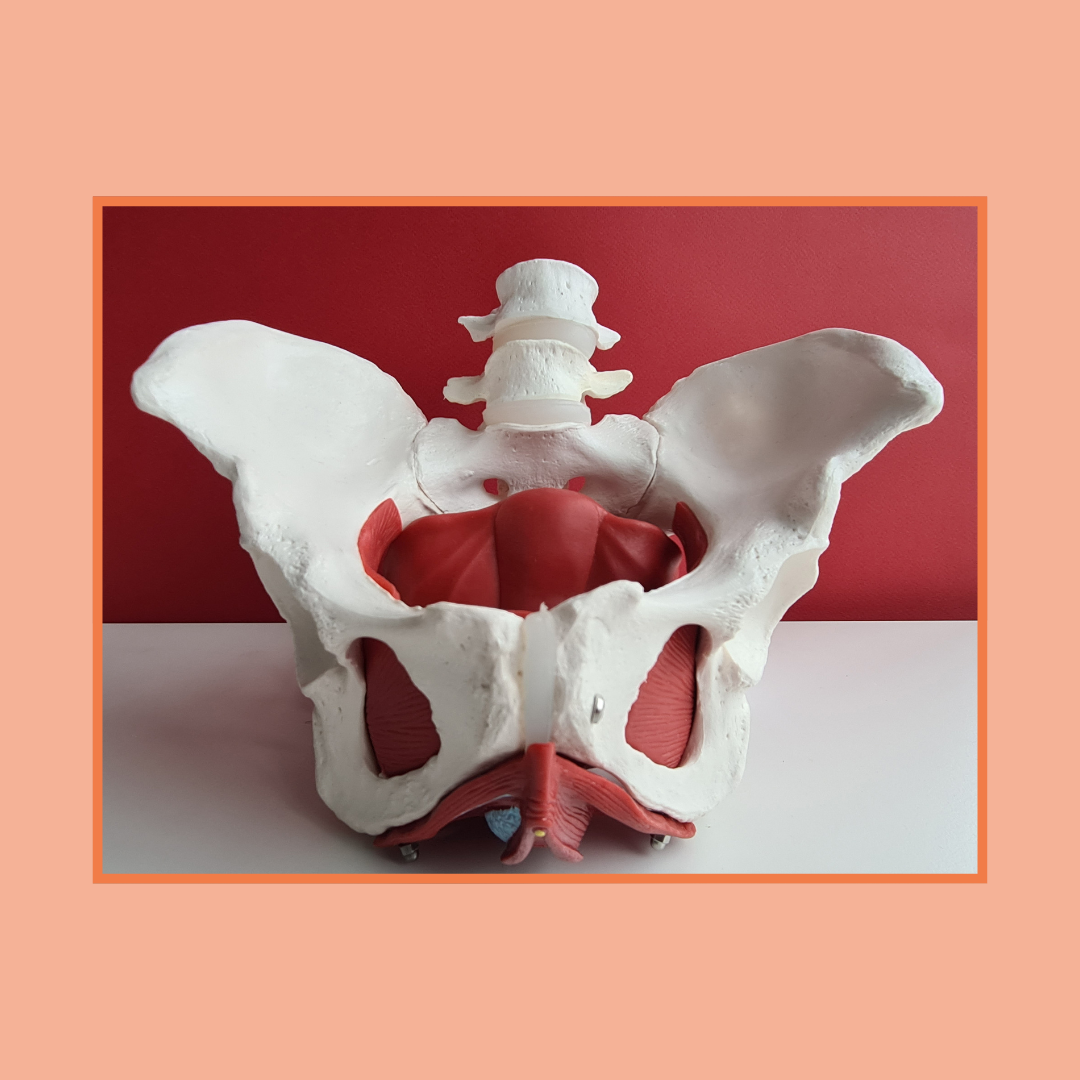
The pelvic floor is a group of muscles and connective tissues that support your bladder, uterus, rectum, and bowel. These muscles help control urination, bowel movements, sexual function, and even posture.

When the pelvic floor is either too weak or too tight, it can lead to a wide range of symptoms, some of which may surprise you.

Common Signs of Pelvic Floor Dysfunction (That Often Go Ignored)

  • Urinary leakage when you laugh, sneeze, run, or jump

  • Constipation or difficulty fully emptying your bowels

  • Pain with intercourse

  • Pelvic pressure or a feeling of heaviness (“like something is falling out”)

  • Lower back, hip, or tailbone pain

  • Urgency to urinate, even when the bladder isn’t full

  • Painful periods or endometriosis-related pain

  • Discomfort with tampon use or pelvic exams

If any of these sound familiar, you’re not alone and you’re not overreacting. These symptoms are common, but they’re not normal, and you don’t have to live with them.

You Don’t Have to Be Postpartum to Benefit

Pelvic floor dysfunction can occur at any point in life whether or not you’ve had children. In fact, research shows that:

  • 1 in 3 women experience pelvic floor disorders

  • Nearly 50% of women will have some form of pelvic organ prolapse in their lifetime

  • Up to 25% of young female athletes experience urinary leakage during sports

  • Up to 80% of women with back pain have pelvic floor muscle involvement

Still, many go years without a diagnosis, partly because pelvic health isn’t routinely discussed in general wellness settings or even during routine OB/GYN visits.

When Should You Seek Care?

You don’t need a referral to come see us—and you certainly don’t need to wait until symptoms get “bad enough.” If something feels off in your core, pelvis, or hips, pelvic PT could be the missing piece.

It’s especially beneficial to seek care if:

  •  You’re experiencing any of the symptoms listed above

  •  You’ve had a pelvic surgery (like hysterectomy)

  • You’re navigating perimenopause or menopause

  • You’re preparing for childbirth or considering pregnancy

  • You’re simply curious and want a proactive approach to pelvic health

What Treatment Looks Like at Klein Physical Therapy

We take a whole-body, evidence-based approach combining hands-on techniques like:

  • Dry needling

  • Visceral manipulation

  • Myofascial decompression (cupping)

  • Joint mobilization

  • Kinesiotaping and movement retraining

Our sessions are one-on-one, in a private and supportive environment. We treat the person, not just the diagnosis and we empower you with knowledge so you can take charge of your health.

klein physical therapy in denver, colorado, pelvic floor physical therapy

You Deserve to Feel Strong and Confident

Pelvic health is foundational. It affects how you move, how you function, and how you feel in your body. Whether you’re an athlete, a mom, or just someone tired of feeling “off,” pelvic floor therapy can restore comfort and confidence.

You’re not “too young,” “not bad enough,” or “just hormonal.” You’re worthy of care and we’re here to help.


Ready to learn more?

Book an appointment with one of our pelvic health specialists

Schedule An Appointment


Hip Impingement & FAI: How Physical Therapy Can Help You Find Relief

Hip pain can slow you down - whether you’re an athlete, a weekend warrior, or just trying to sit comfortably at your desk. One often-overlooked cause of chronic hip pain is Femoroacetabular Impingement (FAI), or hip impingement. It affects both men and women, and unfortunately, it’s often misunderstood or dismissed until symptoms become more severe.

 If you’re experiencing groin discomfort, hip stiffness, or pain with sitting or movement, you may be dealing with FAI and physical therapy can play a key role in helping you recover.

What Is Femoroacetabular Impingement (FAI)?

Femoroacetabular impingement (FAI) occurs when there’s abnormal contact between the ball (femoral head) and socket (acetabulum) of the hip joint. This causes friction that can damage cartilage and limit joint movement over time. FAI can lead to pain during activity or even while sitting still, and is a major contributor to chronic hip discomfort.

Types of FAI:

CAM impingement – Excess bone on the femoral head
Pincer impingement – Extra bone on the acetabulum (socket)
Combined impingement – A mix of both types

These structural changes can lead to stiffness, catching, or sharp pain in the hip, especially during deep movements like squatting or lunging.


Symptoms of Hip Impingement

Hip impingement can cause a variety of symptoms, including:

  • Sharp or aching hip or groin pain

  • Pain with sitting, squatting, or twisting

  • Decreased hip mobility

  • Clicking or catching sensation in the hip

  • Pain that radiates into the lower back or pelvic region

    In many cases, people with FAI also experience pelvic floor dysfunction, which often goes unrecognized.


How Hip Impingement Affects the Pelvic Floor

Because the hips and pelvis work as a unit, chronic hip dysfunction can lead to compensations in the pelvic floor muscles. This is true for both men and women.

You may notice:

  • Groin or pelvic pain

  • Urinary urgency

  • Tailbone pain or tension

  • Discomfort with prolonged sitting

  • Pain with intimacy or sexual activity

At Klein Physical Therapy, our team is uniquely trained to identify and treat these overlapping symptoms through pelvic floor physical therapy, giving you a more complete and lasting recovery.

Physical Therapy for Hip Impingement (FAI)

There isn’t a one-size-fits-all approach to FAI, which is why personalized care is key. At Klein Physical Therapy, we take the time to assess how your hip, pelvis, and whole body are working together, and build a treatment plan just for you.

Your FAI Physical Therapy Treatment May Include:

Manual therapy including hip mobilizations to improve joint mobility and relieve tightness
Dry needling and myofascial release to reduce muscle tension and restore movement
Pelvic floor physical therapy to address related pelvic dysfunction
Hip and core strengthening exercises for better stability and alignment
Movement retraining to restore natural function and prevent further irritation

We focus on treating the root cause of your pain—not just the symptoms—so you can get back to doing the things you love.

Why Choose Klein Physical Therapy?

At Klein Physical Therapy, we provide compassionate care for a variety of conditions, specializing in pelvic health (for both men and women), women’s health, spine physical therapy, and whole-body wellness. Our evidence-based, hands-on approach allows us to address hip impingement through the lens of pelvic floor physical therapy - a highly effective approach.

Our team works with all genders, and we are passionate about creating a welcoming space where you feel heard, supported, and empowered.

Ready to Get Started with Hip Impingement Physical Therapy in Denver?

If you suspect you’re dealing with hip impingement or femoroacetabular impingement (FAI), don’t wait for the pain to get worse. Our team at Klein Physical Therapy is here to help you move with confidence again.

Located in Denver, Colorado’s South Downing Business and Wellness District

Schedule Your Evaluation Today
 
hip pain treatment

Postpartum Pelvic Floor Rehabilitation

Postpartum Pelvic Floor Rehabilitation

The postpartum period is a transformative time in a person’s life, filled with joy, challenges, and adjustments. Amidst the excitement of welcoming a new baby, it’s easy to overlook the physical toll pregnancy and childbirth take on the body. One crucial aspect of recovery often underestimated is pelvic floor health. Pelvic floor rehabilitation postpartum is not just beneficial—it’s essential for long-term well-being.


What is the pelvic floor?

 
Female Pelvic Floor Anatomy, Muscles
 

The pelvic floor is a group of muscles and connective tissues between the tailbone and pubic bone that support vital organs such as the bladder, uterus, and rectum. These muscles play a critical role in core stability, urinary and bowel control, and sexual function. Pregnancy and childbirth, whether vaginal or cesarean, can weaken or damage the pelvic floor, leading to a variety of issues if left unaddressed.


Common Postpartum Pelvic Floor Issues

Postpartum individuals may experience a range of pelvic floor-related concerns, including:

1. Urinary Incontinence

Leaking urine during activities like coughing, sneezing, or exercising is a common postpartum issue (stress incontinence). Another form is urge incontinence when urine is leaked during a strong urge.

2. Pelvic Organ Prolapse

This occurs when pelvic organs shift downward due to inadequate support, often resulting in pressure or discomfort.

3. Pain and Discomfort

Pain during intercourse, lower back or SIJ pain, or a sensation of heaviness in the pelvic area can stem from pelvic floor dysfunction.

4. Diastasis Recti

A separation of the abdominal muscles, which often coincides with weakened pelvic floor muscles and affects core stability.


The Importance of Rehabilitation

Pelvic floor rehabilitation focuses on restoring strength, flexibility, and function to the pelvic muscles. Here’s why it’s crucial:

1. Improved Bladder and Bowel Control

Strengthening and improving the coordination of the pelvic floor can alleviate or prevent incontinence and improve overall quality of life.

2. Prevention of Long-Term Issues

Addressing pelvic floor dysfunction early can reduce the risk of chronic pain, pelvic organ prolapse, urinary incontinence and other complications later in life.

3. Enhanced Core Stability

A strong pelvic floor contributes to overall core strength, which supports posture and reduces the risk of injury.

4. Better Sexual Health

Rehabilitation can address pain or discomfort during intimacy and improve sexual satisfaction.

 
mom and baby post delivery


Tips for Initial Healing of Perineal Tearing

Over 85% of women who deliver vaginally will have some degree of perineal tearing, and proper care is essential for healing. Here are some tips to promote recovery:

1. Practice Good Hygiene

Keep the area clean by using warm water to rinse the perineal area after using the bathroom. Use a peri bottle for gentle cleansing.

2. Apply Cold Compresses

Ice packs or chilled pads (padsicles) can reduce swelling and provide pain relief in the initial days postpartum.

3. Use Pain Relief Options

Over-the-counter pain relievers, as recommended by your healthcare provider, can help manage discomfort. Topical anesthetics may also be beneficial.

4. Rest and Avoid Strain

Minimize activities that put pressure on the perineal area, such as heavy lifting or prolonged sitting.

5. Consider Sitz Baths

Soaking in a warm, shallow bath can soothe the area and promote healing. Add Epsom salt for added relief if approved by your provider.

6. Stay Hydrated and Eat Fiber-Rich Foods

Prevent constipation by drinking plenty of water and consuming a high-fiber diet. Straining during bowel movements can worsen discomfort.

7. Consult Your Healthcare Provider

Follow up with your healthcare provider to monitor healing and address any concerns, such as signs of infection or severe pain.

What Does Pelvic Floor Rehabilitation Involve?

Rehabilitation typically begins with an assessment by a specialized physical therapist who can tailor a program to your specific needs. Common elements include:

  • Pelvic Floor Exercises: Are kegels right for you? Learning how to coordinate the pelvic floor with breathing and functional activities is key and often involves learning how to lengthen and relax your pelvic floor first.Your PT will help determine if pelvic floor contractions, also known as Kegels, will be a part of your plan of care.

  • Breathing Techniques: Proper breathing can help coordinate the diaphragm and pelvic floor, enhancing muscle function.

  • Whole body strengthening and improving posture: Your PT will guide you on returning to exercise which may include a return to running program. Generally your medical provider will clear you for all activity at 6 weeks postpartum which you may not be ready for. PT will include integrating core and pelvic floor with your entire system in order to prepare your body for higher impact activities like running or HIIT exercise. Running is not typically recommended until 12 weeks postpartum.

  • Manual Therapy: Hands-on techniques may be employed to release tension or address scar tissue from tears, cesarean section scars or episiotomies. Dry needling may also be used.


When to Start Rehabilitation

If you are having pain or would like to have guidance on exercise in the first few weeks after having a baby, you can start any time postpartum- even before 6 weeks! An internal pelvic exam would be held until 6 weeks so that a medical provider can provide clearance that tissues have healed. It is never too late to seek help. Even years after giving birth, addressing pelvic floor health can yield significant benefits.


Conclusion

Pelvic floor rehabilitation is an investment in your health, enabling you to recover fully and enjoy your postpartum journey without unnecessary discomfort or limitations. Prioritize this aspect of self-care—your body will thank you for it. All of our therapists at Klein Physical Therapy specialize in postpartum rehabilitation. We offer hour-long sessions to have time to address your entire body and provide one-on-one care. Book your appointment today!

Schedule An Appointment

Diastasis Recti: How Physical Therapy Can Help New Moms Heal

Diastasis Recti: How Physical Therapy Can Help New Moms Heal

Healing Diastasis Recti with Physical Therapy

Still feeling weak or noticing a lingering belly bulge after pregnancy? You may have diastasis recti (DR) - a common condition where the abdominal muscles remain separated after pregnancy.

At Klein Physical Therapy in Denver, we specialize in postpartum recovery, offering safe, effective treatments like targeted core exercises, postural training, and hands-on therapy to help you regain your strength and confidence.

You don’t have to live with discomfort - healing is possible! 

New Year, New Strength: Embrace Your Health Goals

New Year, New Strength: Embrace Your Health Goals

Let’s talk about how to make this year a transformative one for your body and mind, with a special focus on strength, mobility, and balance—especially during those pivotal years during perimenopause and menopause.

Understanding Perimenopause: Navigating the Transition with Confidence

Understanding Perimenopause: Navigating the Transition with Confidence

Navigating perimenopause doesn’t have to feel overwhelming. In this blog post, we explore what perimenopause is, common symptoms, and practical strategies to manage this transition with confidence. From staying active and eating well to exploring stress management techniques and hormone replacement therapy options, we provide actionable tips to help you thrive during this phase of life. At Klein Physical Therapy, we’re here to support you every step of the way with compassionate, whole-body care.

Understanding Menopause: What Changes to Expect and How Pelvic Floor Therapy Can Help

Understanding Menopause: What Changes to Expect and How Pelvic Floor Therapy Can Help

Menopause marks a significant transition in a woman’s life, often accompanied by physical and hormonal changes like vaginal dryness, urinary urgency, and bone density loss. These shifts can impact comfort, mobility, and quality of life. However, solutions like pelvic floor therapy offer powerful support, addressing symptoms such as pain during intercourse, urinary incontinence, and weakened pelvic muscles.

In this article, we discuss what to expect during menopause, how to manage symptoms proactively, and the transformative role pelvic floor therapy can play. Discover practical tips for maintaining strength, vitality, and confidence throughout this natural phase of life. If you’re ready to take control of your health, learn how our specialized team can help you thrive during menopause and beyond.

Understanding Pelvic Floor Dysfunction: Signs, Symptoms, and Solutions

Understanding Pelvic Floor Dysfunction: Signs, Symptoms, and Solutions

Understanding Pelvic Floor Dysfunction: Signs, Symptoms, and Solutions

Pelvic floor dysfunction is a common, yet often misunderstood, condition that affects millions of women and men worldwide.

While it can lead to discomfort, embarrassment, and a decline in quality of life, many people aren’t aware of what pelvic floor dysfunction is—or how it can be treated.

In this post, we’ll discuss the anatomy of the pelvic floor, the various types of dysfunction, and how physical therapy can offer effective solutions to regain control and improve overall well-being.

Cycling and Running Season: Strengthening and Protecting Your Pelvic Floor

Cycling and Running Season: Strengthening and Protecting Your Pelvic Floor

Discover how cycling and running impact pelvic floor health, common issues faced by cyclists and runners, and expert tips for managing pelvic floor dysfunction with physical therapy.

Does Physical Therapy Help for Endometriosis?

We frequently treat patients with endometriosis here at Klein Physical Therapy, we want to bring some awareness to what endometriosis is, what are the symptoms, what treatments are available and lastly, how physical therapy can help. Consider making an appointment if you live near Denver, Colorado. You can book by clicking here.

Article by Dr. Kimberlie Landers


What is Endometriosis?


Endometriosis is a condition where cells similar to the lining of the uterus start to grow outside of the uterus. These cells are affected by estrogen which is why many symptoms begin at puberty. It is classified as an inflammatory disease and it is estimated to affect 1 in 10 women.


Symptoms of endometriosis can vary person to person. Research has found that symptoms don’t always correlate to the severity of the condition. Someone can have 10/10 pain and have mild endometriosis while others may have low pain and advanced endometriosis.


Common endometriosis symptoms include: 

  • Painful periods

  • Pelvic pain

  • Pain with sexual intercourse

  • Pain with urination and/or bowel movements

  • Excessive bleeding

  • Infertility

  • Fatigue

  • Digestive Issues

  • Irritated bladder symptoms 


How is it diagnosed? 

The gold standard in diagnosing and treating endometriosis is with laparoscopic excision surgery. Finding a skilled surgeon is key because the success of the surgery is determined by the skill level of the surgeon. It is best to find someone with years of special training on endometriosis excision (not ablation) and is FMIGS (fellowship in minimally invasive gynecological surgeries) trained.


Common Myths and Facts


Myth: You can diagnose endometriosis with a pelvic ultrasound or MRI

Fact:  Although they are making strides in research, most providers are unable to diagnose endometriosis via imaging at this time. An MRI may show a deep infiltrating endo, but not many doctors/radiologists are trained in reading the results and seeing this on the scan.


Myth: Hysterectomy or menopause will cure endometriosis

Fact: Removing the uterus and ovaries will not remove the endometrial implants that are already outside of the womb and causing symptoms. Additionally, it is thought that the lesions may make their own estrogen or even the small amount of estrogen an ovary produces in menopause may still cause symptoms.  


Myth: Hormonal treatments (birth control, lupron) or pregnancy cure endometriosis

Fact: These drugs or becoming pregnant may temporarily suppress symptoms, but they do not treat or slow the disease process. The only treatment is excision surgery.


A great resource for educating yourself and for finding a list of the top skilled excision surgeons is Nancy’s Nook Endometriosis Education Group on Facebook. Another site for looking up a surgeon is https://icarebetter.com/.


What can be done other than surgery?


If you are still having pain after endometriosis surgery or if you are looking to avoid surgery temporarily, it is important to look at other pain drivers. Some other causes of pain could be hormonal changes at the vaginal tissue, musculoskeletal pain (pelvic floor dysfunction) or nervous system upregulation/central sensitization.


How can physical therapy for endometriosis help?

  • Assessing for other pain drivers such has pelvic floor dysfunction or central sensitization

  • Manual therapy for improving modulating pain and improving tissue mobility of abdominal, hip and pelvic floor muscles 

  • Individualized exercise plan

  • Education on nutrition, use of dilators/wands, and bowel, bladder and sexual health

  • Help you find the right medical provider and surgeon


At Klein PT, our PTs are trained to perform a comprehensive evaluation which includes a whole body assessment of posture, strength, range of motion, palpation and movement analysis. We can perform manual therapy techniques to help mitigate neuromuscular or musculoskeletal pain including dry needling, cupping, soft tissue release, joint mobilization etc.


We will teach you nervous system down-regulation techniques if needed, as well as prescribe therapeutic exercises that are individualized to meet your needs.  Patient education topics may include nutrition, self care techniques, use of dilators or pelvic wands, and normalizing bladder, bowel and sexual health.


The goal of your physical therapist is to listen to your story, help you find the right doctors, be on your team, and support your recovery so that you can get back to doing the things you love!


Dr. Kimberlie

Landers

Dr. Kim is passionate about all things related to pelvic health, but especially loves treating endometriosis and its accompanying pelvic pain and symptoms.

She is a certified pregnancy and postpartum corrective exercise specialist (PCES). This certification adds to her knowledge and understanding of the pregnant and postpartum body, and assists in her “whole body” approach to care.

When she is not treating patients at Klein Physical Therapy in Denver, you can find her enjoying the great state of CO with her 2 kiddos, 2 dogs and her husband.


What Causes Lichen Sclerosus to Flare Up? And What Can Help?

your pelvic health: support from a pelvic floor physical therapist

As pelvic floor physical therapists in Denver, Colorado, our practice has seen many patients suffering from Lichen Sclerosus and its ongoing flare ups. Let’s first break down what it is, and then read to the end to get our personal tips and resources to help you cope with flare ups. Consider making an appointment if you live near Denver, Colorado. You can book by clicking here.

First of all, What is Lichen Sclerosus?

Lichen Sclerosus is a chronic, inflammatory skin condition that usually affects the perineum (anogenital region) that results in scarring and weakening of the skin. It is not contagious and cannot be spread through sexual contact. Common symptoms include:

  • Itching

  • Burning

  • Patches of skin discoloration

  • Formation of sores/blisters

  • Skin fragility with increased risk of bruising and/or tearing

  • Changes in the ability to urinate (ie. weak urine stream) 

  • Painful sex


Lichen Sclerosus causes scar tissue build up, which reduces tissue flexibility and can lead to discomfort with things like penetrative intercourse, inserting a tampon, and gynecological exams. 


Who is at risk?

While anybody at any age can develop Lichen Sclerosus, it is most common in:

  • Post menopausal women

  • People who have another autoimmune diagnosis (ie. hypothyroidism)

  • People with an uncircumcised penis

  • People with a family history of Lichen Sclerosus


What causes it?

It is still largely unclear what causes Lichen Sclerosus, however, it is widely accepted by healthcare professionals and researchers to be an autoimmune diagnosis. With autoimmune conditions, the body’s immune system attacks healthy cells, rather than solely attacking diseased cells, bacteria, and viruses. In the case of Lichen Sclerosus, the immune system begins to attack skin cells in the anogenital region, leading to the above symptoms.


Lichen Sclerosus can commonly be triggered by hormonal changes, trauma, and in rare cases it can be passed down genetically.


What can I do about it?

First, if you suspect you may have Lichen Sclerosus, it is recommended that you schedule a visit with your physician. A biopsy is required to confirm the diagnosis, if suspected.  Generally, they will prescribe a topical cream that you can use on the perineum to relieve symptoms and calm inflammation of the tissues.  Pelvic floor physical therapists are also trained to look for the skin changes in the perineum and will refer back to the physician.  


Ways to Prevent and Reduce Severity of Lichen Sclerosius Flare Ups

You can also do things on your own to alleviate symptoms and prevent flare ups. Ultimately, it is important to reduce friction and irritation of the perineal tissues.

Here are some things to consider:


it is also recommended to see a physical therapist that specializes in pelvic health. (We can help!)


Physical therapy can help preserve flexibility in the tissues and prevent scarring with the use of manual techniques. These techniques aim to promote blood flow and optimize pelvic floor function.

Pelvic floor PT will also improve adjacent muscle pain and/or dysfunction by taking a total body approach to your care and optimizing the function of ALL your systems. The aim is to ultimately reduce pain with penetrative activity (ie. intercourse, inserting a tampon, gynecological exams, etc.), improve bowel/bladder activity, reduce itching, burning, and stiffness, and get you back to leading the life you want to live!


Dr. Tara Loveland,

PT, DPT | Klein Physical Therapy

Book a Discovery Session


Physical Therapy Stretches and Strength Training for a Healthy Ski Season


Physical therapy and mobility exercises can help you strengthen and avoid injury this ski (or snowboard) season.


If you’ve already gotten a day or two under your belt, ask yourself how you felt. Did you experience that all-too-familiar “thigh burn” that makes you wrap up by lunchtime (even though your mind wants to keep going!)? Did you find yourself distracted by those aches and pains that come from “knocking the rust off”? 


Now ask yourself what you did to prepare for ski season. If you’re like most folks, you may have hit the gym once or twice for some squats and lunges to get strong for the upcoming season. For most, the intention is there, but the holiday season inevitably derails your plans to truly commit to a preseason routine. So, like most, you probably put your boots on, buckled on your equipment, and set on your way down the mountain “hoping for the best”. 


The good news is, even if your pre-season prep was lackluster, it’s never too late to initiate a ski/board specific strength and mobility routine to KEEP you healthy all season long! 


Both skiing and riding require heavy amounts of hip and trunk rotation to initiate and complete turns. This becomes even more important on steep, narrow, and/or ungroomed terrain, as you need to make smaller/quicker turns to maintain a safe speed and navigate terrain changes. Skiing and riding also require leg strength and endurance.


Hip and calf strength are needed to properly hold your edge during turns, thigh strength is needed for shock absorption and smoothly transitioning from edge to edge, and trunk/core strength is needed for optimal force transfer between your upper body and lower body. 


“A well-rounded program HELPS optimize your performance on the slopes and prevent injury. This requires both mobility and strength components.”

TARA LOVELAND, PT, DPT


Incorporate the following exercises 2-3 times per week to keep you healthy all season long. If any of the following exercises cause pain, please reach out to your physical therapist for tips on how to modify them!

Mobility Exercises

Hip 90/90 Flow

This exercise is great for promoting hip rotation mobility. By alternating between each of the positions shown above, you are working on hip internal rotation and external rotation of both hips. Both motions are required for initiating turns. In addition, improving hip mobility will serve to offload the demand on the knees and prevent knee injury. Bonus!

How to perform: 

  • Sit in the position shown above. Both knees should be bent to 90 degrees (no less!).

  • First, focus on sitting your “sit bone” of the back leg down toward the floor. Keep your torso as upright as you can and slightly rotate your chest so you are facing your back foot. You should feel a “deep ache” on the outside of your hip. 

  • Sit in this position for 5-10 sec.

  • Then, rotate your chest to face the shin of the forward leg and lean your chest forward as shown. You should feel a stretch in your glutes.

  • Sit in this position for 5-10 sec.

  • Repeat this flow between positions 5-10 times.


Pigeon

This exercise is great for stretching the glutes and improving hip external rotation mobility. This is one that is used in yoga and many other activities. And oldie, but goodie!

How to perform:

  • Start in a “plank position”. Bend one knee and fold it under you so your foot is generally in line with your opposite hip as shown.

  • Relax your body weight onto the bent leg until a stretch is felt in the glutes. 

  • You can stay propped up on your hands for a lighter stretch, or relax your chest towards your shin for a deeper stretch.

  • Hold this position for 60-90 sec each side.


Quad/Hip Flexor Stretch

Since skiing and riding are such quad-dominant sports, it’s important to maintain length and flexibility of the quads and hip flexors. Ensuring these stay flexible will help prevent the onset of things like patellar tendonitis (irritation of the tendon on the front of the knee) and knee pain. 

How to perform:

  • Kneel on one knee with your foot propped up on an elevated surface behind you as shown above. The higher the propped surface, the deeper the stretch, so adjust according to what you can tolerate. 

  • Keep your torso tall and upright.

  • “Tuck your tail” and think about drawing your pubic bone up towards your belly button and tucking your tailbone under you. 

  • You should feel a deep stretch in the thigh and front of the hip.

  • Hold this position for 60-90 sec each side.


Strengthening Exercises

Heels-Elevated Goblet Squat

This exercise heavily biases the quads, which helps develop and maintain the necessary quad strength for a long day on the slopes. Elevating the heels creates a pseudo “downhill slope” to more closely mimic the weight distribution and forces experienced while skiing and riding.

How to perform:

  • Stand with your feet shoulder-width apart with your heels elevated.

  • Hold a dumbbell/kettlebell (or any type of weighted object) at your chest.

  • Slowly lower yourself into a squat, focusing on control and maintaining a relatively upright torso.

  • Return to standing and repeat. 

  • Perform 3-4 sets of 12-15 reps.

  • You can adjust difficulty by adjusting the weight you’re holding, adjusting the speed of the squat (slower is more difficult, faster is easier), or even adding a 3 second pause at the bottom of the squat before returning to standing (that one’s spicy!).


Rear Foot Elevated Split Squats

This exercise is great for working on single leg strength. Single leg strength and endurance is important because turns require greater force production by one leg, as the other leg follows through. It is fairly common to have leg strength asymmetries, especially if there is a history of previous lower extremity injury, so working on strengthening your legs independently is crucial for injury prevention.

How to perform: 

  • Place your foot on a chair behind you. If you can, hold weights in each hand for added challenge.

  • Lower your trunk as if you are going to tap your back knee to the floor (you may or may not reach. If you can’t reach, that’s OK! Just focus on the intention of tapping your knee to the floor). 

  • Keep a mild forward trunk lean. Think about keeping your eyes fixed on your toes of the forward leg throughout the rep.

  • Return to standing. 

  • Ensure your kneecap stays tracking over your toes. Ie. your knee should not “dive in” or “collapse” towards your midline throughout any portion of the rep. 

  • Perform 3-4 sets of 10-12 reps.


Supported Single Leg RDL

We can’t forget about the muscles on the back side of the legs! The previous two exercises focused heavily on quads and glutes, but this Single Leg RDL gets the hamstrings involved! The hamstrings are incredibly important in maintaining a strong posture when accelerating downhill. They also play a crucial role in knee stability and supporting the ACL. An ACL injury is never a good thing, so don’t forget those hammies!

How to Perform:

  • Start by standing on one leg with the opposite toe lightly touched down behind you like a “kickstand”. 100% of your weight should be on the forward leg. The toe touch is simply for balance, NOT to bear weight through.

  • Hold a weight in the opposite hand of the leg you’re standing on.

  • Start with a “soft knee” (ie. unlock your knee, but don’t excessively bend it) and push your hips back as you drop your chest towards the floor. Keep your back straight and think about “sticking your booty out”. Your hips should maintain their height and your knee should remain where it is without traveling forward over your toes. 

  • At the bottom, you should feel some tension in your hamstrings (ie. the backs of your thighs) and your weight should feel biased towards the heel (NOT the ball of your foot). 

  • To return to standing, think about driving your heel into the ground and pushing your belt buckle forward, ending with tall posture.

  • Your low back should not hurt during this exercise!

  • Perform 3-4 sets of 10-12 reps.


Paloff Press with Resisted Rotation

Trunk strength and stability is also essential for skiing and riding, as it is responsible for force and momentum transfer between your upper body and legs (and vice versa). The quality of your turns while carving is heavily dependent on the strength and control of your trunk, so adding in resisted trunk rotation into a ski program is key!

How to perform: 

  • Anchor a band (or use a cable machine) about chest-height to the side of you.

  • Begin by holding the band/cable at your chest with your feet shoulder width apart.

  • Press the band/cable straight out in front of you, making sure the weight doesn’t rotate you towards the anchor point.

  • Once your arms are fully extended, rotate just your shoulders away from the anchor point. Maintain slow and controlled movement. Your hips/legs should not move while you rotate away from the anchor.

  • Return your shoulders to a forward-facing position.

  • Finally, bend your elbows and bring the band/cable back to your chest.

  • Repeat this series - press out, rotate, return to forward-facing, and return to the start for 3-4 reps of 15-20 reps.

  • You can make this more/less challenging by adjusting the weight/band strength or narrowing/widening your stance (i.e. wide feet make this easier, narrow feet make this more challenging).


These strength and mobility exercises are crucial in gaining and maintaining the functional strength and flexibility required for skiing and riding. So give them a try and don’t hesitate to reach out to your Physical Therapist if you have any questions or are experiencing discomfort at any point! 

Enjoy the season! - Tara Loveland, PT, DPT


MEET KLEIN PHYSICAL THERAPY IN DENVER

Klein Physical Therapy is located at 2401 S Downing St, Denver, CO 80210 in the University Hills neighborhood near Denver University.


Klein Physical Therapy in Denver provides individualized care to help patients prevent and recover from injuries, manage pain, and work on healing a variety of issues including pelvic floor dysfunction. Our experienced physical therapists create customized treatment plans using the latest evidence-based techniques to get you moving again and feeling like yourself.

 
BOOK A SESSION WITH US
 

Klein Physical Therapy in Denver, Colorado

Address: 2401 S Downing St, Denver, CO 80210

Phone: (720) 252-6304

Email: lea@kleinphysicaltherapy.com


Hours:

Monday 7 AM–3:30 PM

Tuesday 8 AM–3 PM

Wednesday 7 AM–6 PM

Thursday 8 AM–5 PM

Friday 7 AM–3 PM

Saturday Closed

Sunday Closed


Klein Physical Therapy: Q&A with Dr. Tara Loveland, PT, DPT

At Klein Physical Therapy in Denver, Colorado, we have an incredible team of professionals. We wanted to highlight Physical Therapist Dr. Tara Loveland, PT, DPT. So, here is a little more about Tara! (And learn even more about her on her bio here.)

What is the most amazing recovery you have seen in your experience as a PT?

While I’ve been lucky enough to witness several amazing recoveries (that’s why I love being a PT!), the one that sticks out most was a woman who came to me with a long-standing history of steadily-worsening vertigo over 60 years!

Her vertigo episodes started in her mid-teens and were initially mild and infrequent, but over time they worsened to the point where she was unable to leave her bedroom. It was debilitating to her social life and her ability to care for herself and her household.

While her recovery took nearly a year of diligent rehabilitation focusing on everything from re-calibrating her sense of equilibrium to improving neck mobility, she improved to the point where her vertigo episodes were barely perceptible and only occurred once in a while. Best of all, she was able to return to playing cards with the girls and eating her meals in the dining room of her living facility! She had gone from being unable to remember a day where she wasn’t dizzy to living almost entirely dizzy-free. Her progress was not only remarkable, but incredibly rewarding for both of us!


What is one of the most frustrating conditions your patients have had that you have helped them with?

I think some of the most frustrating diagnoses for my clients involve the foot and ankle because we, as humans, stand and walk on our feet all day long. Unlike an injury elsewhere in the body, it can be hard to simply “take it easy” or “let it rest”, which is often the advice my clients with these diagnoses receive. After all, you can’t expect someone to just stop standing and walking; it’s inevitable. I have treated countless cases of Plantar Fasciitis, Turf Toe, and Bunions and have found that simply “letting it rest” doesn’t go over well. It takes a thorough assessment of ankle and foot mechanics, as well as looking “up the chain” at the knee, hip, and spine to truly identify the root cause of the problem.

Foot and ankle injuries require treatment of the movement system in its entirety, rather than simply throwing a pair of orthotics in your shoes or simply “stretching your calves”. This is often the approach made by many healthcare providers and, unfortunately, it rarely gets positive results. The way these diagnoses are commonly treated is incredibly frustrating, which is part of the reason why I love to treat this area! Finding the right provider that can see the “bigger picture” is a must!

What made you want to be a PT?

From a young age I became fascinated with the human body, although I don’t totally recall a specific experience that initially fueled my interest. Anatomy and physiology had always been one of my strongest subjects in school and I was one of the few that actually looked forward to the frog dissection in 7th grade science.

I decided young that I was going to grow up to be a Medical Doctor and go to Medical School. After graduating with my undergraduate degree from the University of California in San Diego with all the necessary Med School prerequisites, I began the process of applying. At the same time, I was looking for employment in the medical field to gain hands-on experience prior to school. I ended up with a job as a Physical Therapy Aide for a clinic that served both professional and recreational athletes. There, I began to appreciate the rehabilitation process.

I had the opportunity to see our clients come into the clinic on crutches - fresh off of an ACL reconstruction, for example - and leave our clinic a year later with the ability to play their sport to their full potential. I enjoyed being an integral part of the recovery team where I had the opportunity to spend hours on end seeing our clients heal and ultimately return to the activity they love. The decision to make the switch to PT was easy from there!


Who do you most look up to in the field of PT and why?

It is so tough to choose just one person I look up to most. I’ve had the good fortune to work with some amazing PTs in my career, including the lovely ladies here at Klein PT!

My admiration for different individuals tends to change over time based on what new PT podcast I’m listening to, what new techniques I’m learning, and what recent continuing education coursework I’ve taken. There are some true rockstars in the PT field! If I had to choose just one person, it would have to be Lynn Shulte, PT who is a Pelvic Health Physical Therapist in Boulder, CO that specializes in pregnancy and postpartum.

I recently took a course taught by her and was blown away by her knowledge and ability to heal. I’ve learned so much from her and look forward to continuing to apply the knowledge she has given me to my clients with amazing results.


What is the best compliment you have gotten in your work?

I will never forget when a client once told me “I thought PT didn’t work, but now I realize PT works if it’s the right PT”. Often, people’s experience of physical therapy involves short visits treating only the area of pain and/or injury.

I pride myself on seeing the “big picture” when it comes to assessment and treatment of injury and/or pain. This often leads to tapping into areas of impairment that many clients have never had treated before, even with multiple rounds of physical therapy prior. Ultimately, the entire movement system is intimately connected and it takes treating the system in its entirety to truly see positive results.

BOOK A DISCOVERY SESSION

Klein PT Supports: Leukemia & Lymphoma Society's Light the Night Event

Dear Friends and Colleagues,

I am joining my patient's team and walking Light the Night for the Leukemia and Lymphoma Society. She created a team because she just lost her mom to Leukemia. My aunt (Auntie Ann) is currently battling AML and it's been a really tough road.

I am fundraising for it as I have a goal to hit (follow our journey here), and I am humbly reaching out to you, my business community, to support this noble cause. 

Here are some pics of my family and I visiting Auntie Ann in San Francisco recently, as well as one from the event. I hope you will join us as we fight for cures and support for those with AML.

Thank you for reading, 

Lea

CLICk to DONATE HERE

A bit more about the event….


In the world of philanthropy and community support, one event stands out as a shining beacon of hope. On September 21, 2023, the Leukemia & Lymphoma Society (LLS) will host their highly anticipated Light the Night event. This exceptional gathering aims to bring together individuals from all walks of life, uniting them in a common cause: to raise awareness and funds for research and support services.


Light the Night serves as a powerful testament to their commitment, providing a platform for survivors, supporters, and those who have lost loved ones to share their stories and find solace in a community of understanding.


At Light the Night, participants will carry lanterns, each representing a unique connection to the cause. The red lanterns signify the unwavering support of dedicated individuals, while the white lanterns serve as a symbol of hope for survivors who have triumphed over the challenges of blood cancer. Additionally, gold lanterns will be lit to honor the memories of those who have sadly lost their lives to this relentless disease. Together, these lanterns will illuminate the night sky, creating a breathtaking display that embodies the resilience and determination of the human spirit.


The event invites individuals and teams to fundraise in support of LLS's mission, empowering them to make a tangible difference in the lives of those affected by blood cancers. Attendees will have the opportunity to connect with like-minded individuals, share their experiences, and forge lasting bonds within a community that understands the unique challenges posed by these diseases.


Light the Night is more than just an event. It is a poignant reminder that by joining forces, we can overcome even the most formidable obstacles. The funds raised through this event will fuel groundbreaking research, enabling scientists and medical professionals to develop innovative treatments and improve the quality of life for patients. Additionally, the event's proceeds will provide comprehensive support services to patients and their families, offering them the much-needed assistance and guidance throughout their journey.


As the countdown to September 21, 2023, begins, individuals from all corners of society are eagerly preparing to come together under the banner of Light the Night. With each step taken and every dollar raised, they will illuminate a path of hope, resilience, and progress. The Leukemia & Lymphoma Society's Light the Night event promises to be an unforgettable experience.


Thank you for your support!!


The Team at Klein Physical Therapy