



Holiday Self Care: 12 Days of Pelvic Floor Health Tips for Women’s Wellness
The holidays are a joyful season, but for many, they also bring disrupted routines, added stress, and less time for self care. At Klein Physical Therapy we know how powerful small, daily habits can be. In this post, we’re sharing 12 pelvic health tips to help you stay grounded and well through the holidays. Whether you’re pregnant, newly postpartum, peri-menopausal, or managing pelvic floor dysfunction, these practical strategies are designed to fit into your busy life.
From hydration and posture to breathing and stress relief, these are simple ways to care for your pelvic floor, nervous system, and overall well being without overcomplicating your schedule.




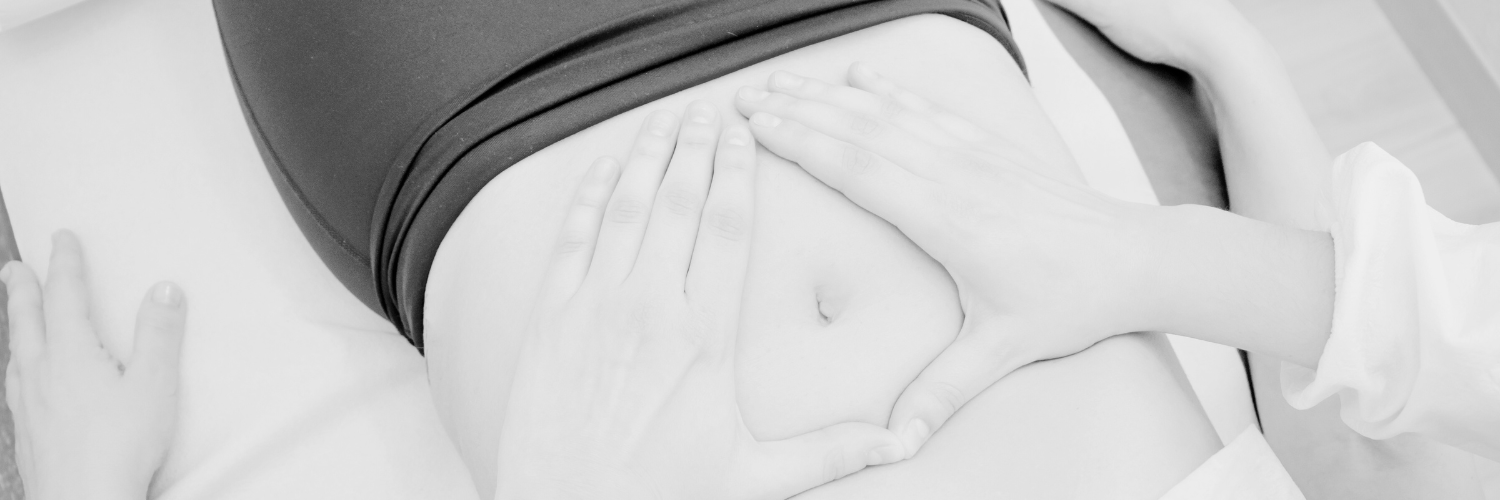
Healing Diastasis Recti with Physical Therapy
Still feeling weak or noticing a lingering belly bulge after pregnancy? You may have diastasis recti (DR) - a common condition where the abdominal muscles remain separated after pregnancy.
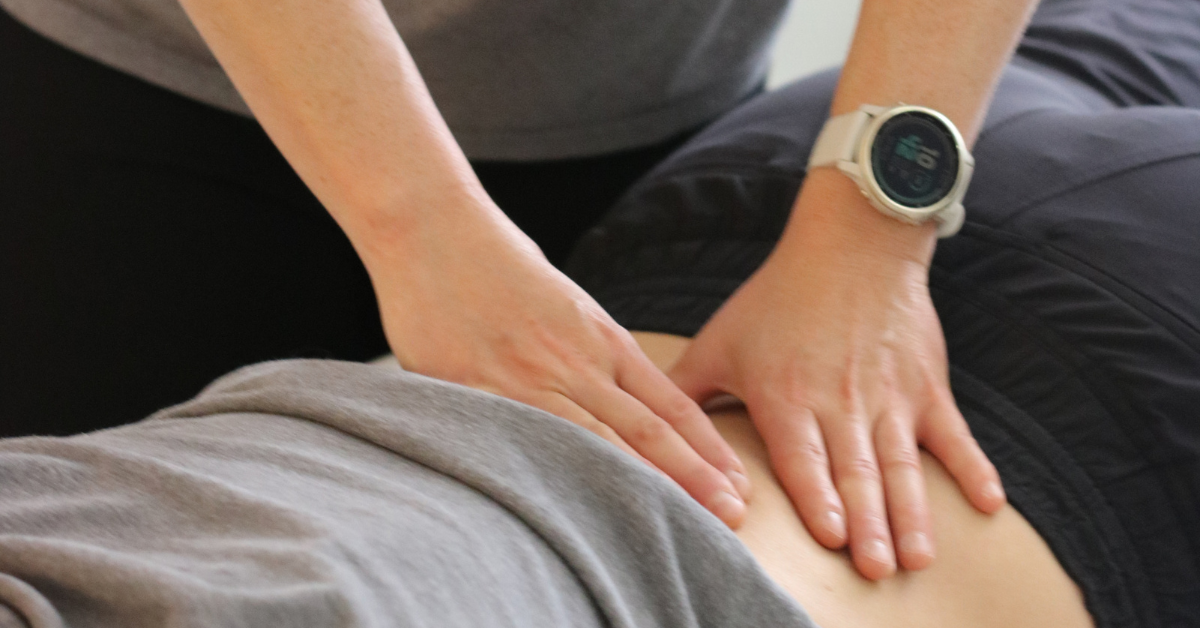
At Klein Physical Therapy in Denver, we specialize in postpartum recovery, offering safe, effective treatments like targeted core exercises, postural training, and hands-on therapy to help you regain your strength and confidence.
You don’t have to live with discomfort - healing is possible!
Let’s talk about how to make this year a transformative one for your body and mind, with a special focus on strength, mobility, and balance—especially during those pivotal years during perimenopause and menopause.

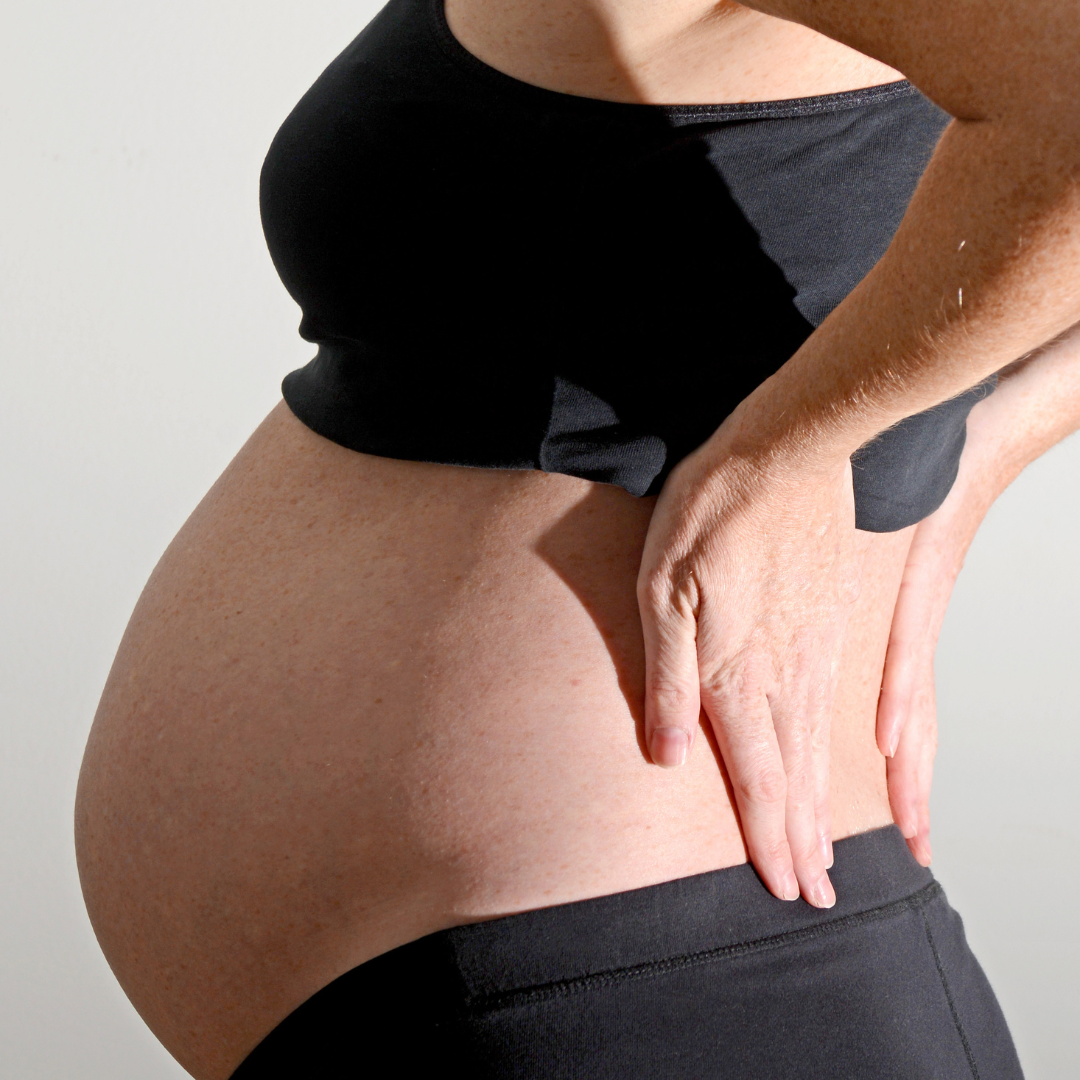
Navigating perimenopause doesn’t have to feel overwhelming. In this blog post, we explore what perimenopause is, common symptoms, and practical strategies to manage this transition with confidence. From staying active and eating well to exploring stress management techniques and hormone replacement therapy options, we provide actionable tips to help you thrive during this phase of life. At Klein Physical Therapy, we’re here to support you every step of the way with compassionate, whole-body care.

Menopause marks a significant transition in a woman’s life, often accompanied by physical and hormonal changes like vaginal dryness, urinary urgency, and bone density loss. These shifts can impact comfort, mobility, and quality of life. However, solutions like pelvic floor therapy offer powerful support, addressing symptoms such as pain during intercourse, urinary incontinence, and weakened pelvic muscles.
In this article, we discuss what to expect during menopause, how to manage symptoms proactively, and the transformative role pelvic floor therapy can play. Discover practical tips for maintaining strength, vitality, and confidence throughout this natural phase of life. If you’re ready to take control of your health, learn how our specialized team can help you thrive during menopause and beyond.
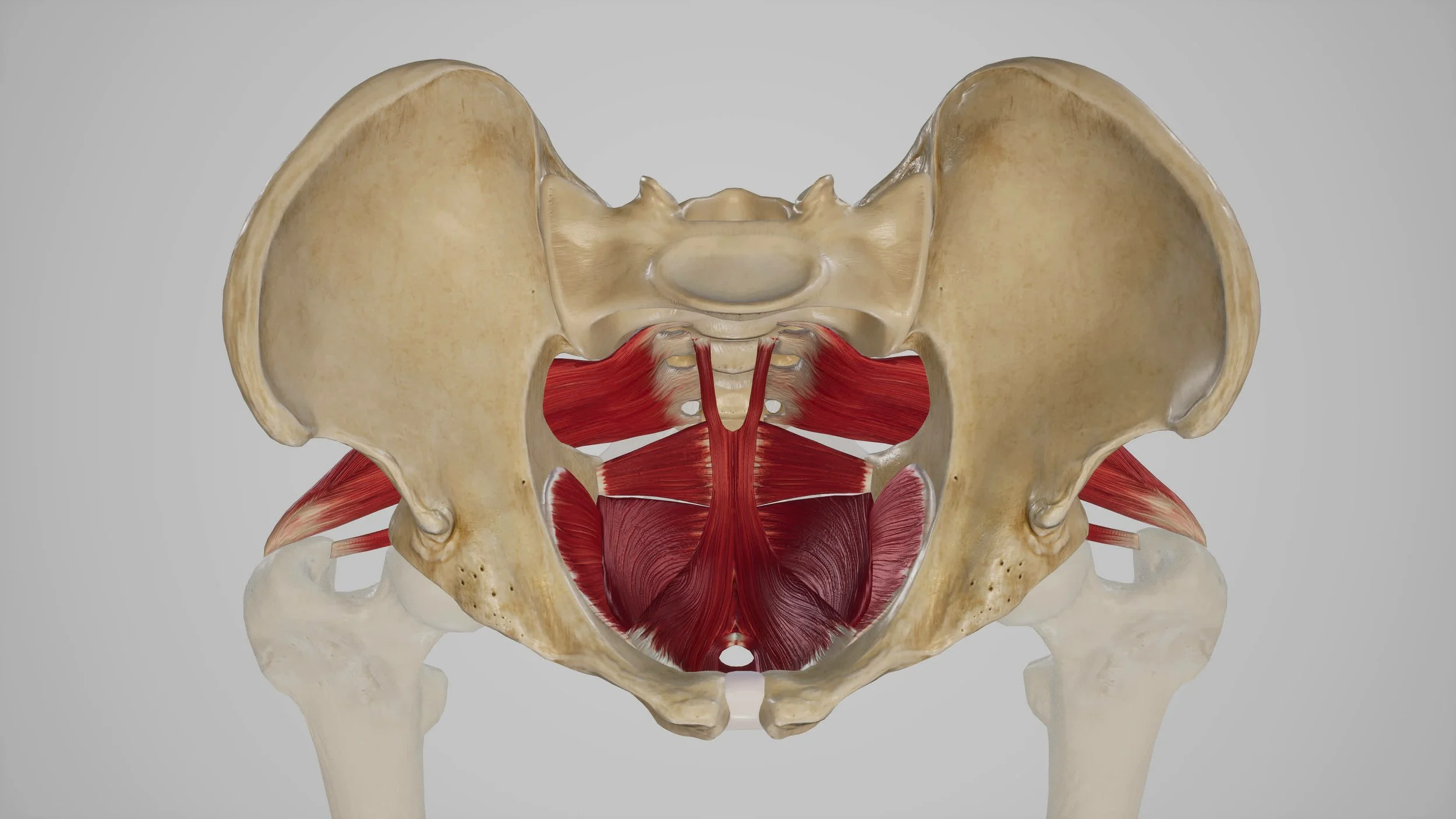
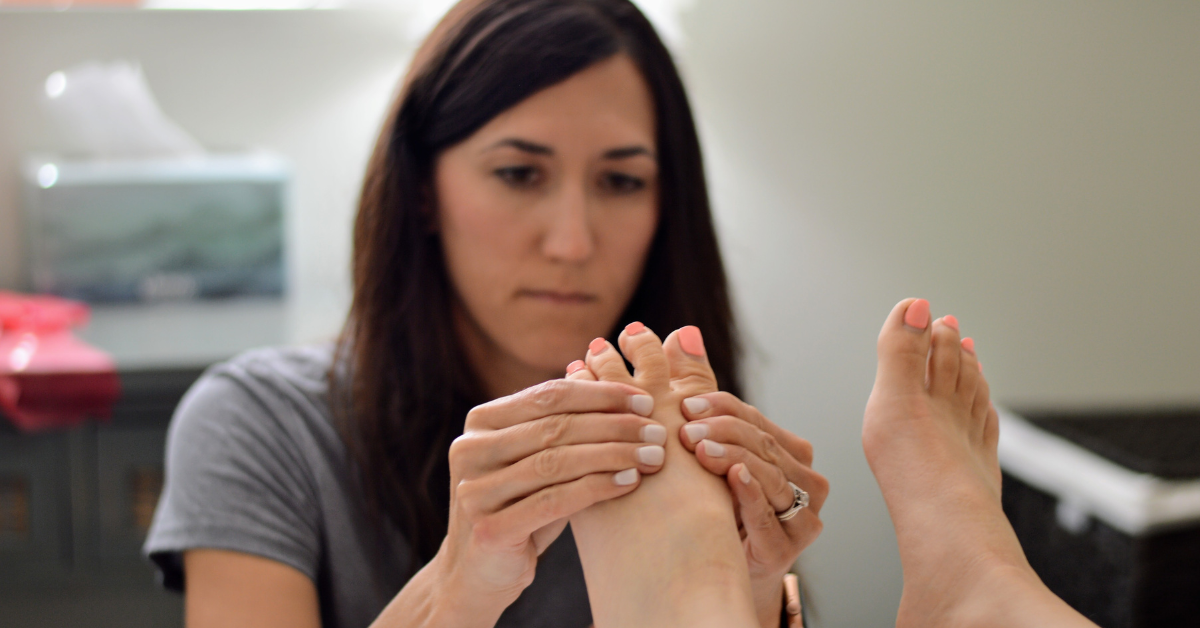
Understanding Pelvic Floor Dysfunction: Signs, Symptoms, and Solutions
Pelvic floor dysfunction is a common, yet often misunderstood, condition that affects millions of women and men worldwide.
While it can lead to discomfort, embarrassment, and a decline in quality of life, many people aren’t aware of what pelvic floor dysfunction is—or how it can be treated.
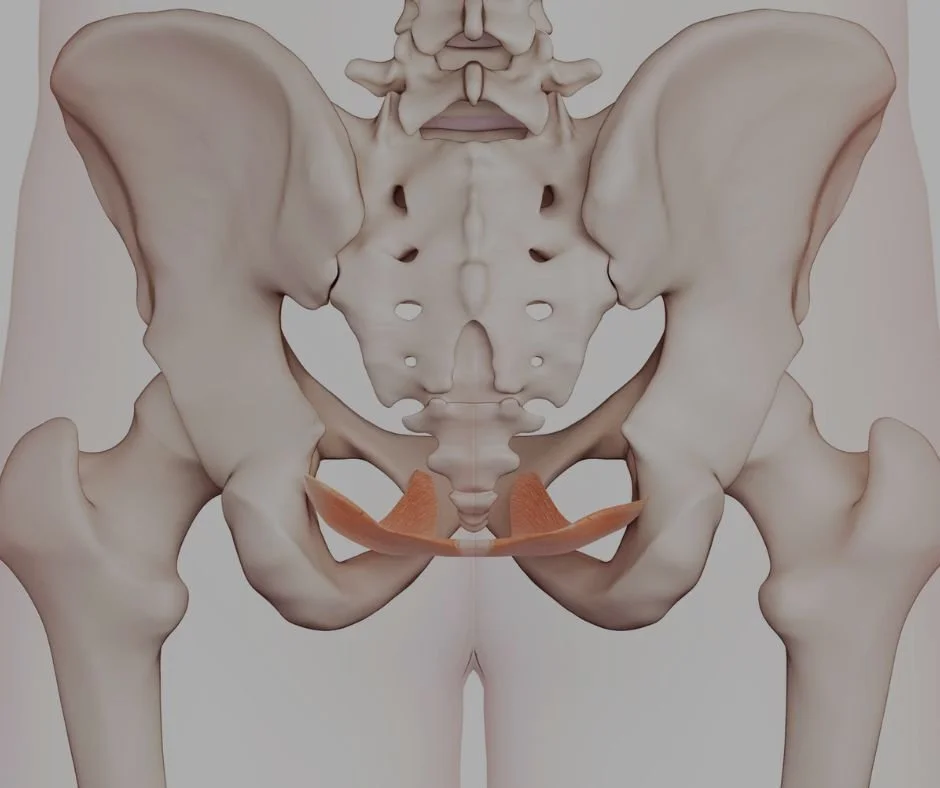
In this post, we’ll discuss the anatomy of the pelvic floor, the various types of dysfunction, and how physical therapy can offer effective solutions to regain control and improve overall well-being.

Discover how cycling and running impact pelvic floor health, common issues faced by cyclists and runners, and expert tips for managing pelvic floor dysfunction with physical therapy.