
physical therapy

Do I Need Pelvic Floor Therapy During Pregnancy?

Do I Need Pelvic Floor Therapy During Pregnancy?

If you are pregnant and have heard about pelvic floor physical therapy, you may be wondering whether it is something you need during pregnancy. Maybe you have a specific concern, such as leaking, pelvic pressure, or back pain. You may also feel well and want to know whether there is any benefit to seeing a pelvic health physical therapist before symptoms develop.

Pelvic floor physical therapy can be helpful in both situations.

Pregnancy places new demands on the pelvic floor, abdominal muscles, hips, and spine. As your baby grows, your posture and movement patterns change to accommodate your changing body. A pelvic health physical therapist can assess how your body is responding and provide care based on your symptoms, activity level, stage of pregnancy, and goals.

At Klein Physical Therapy, we also use these visits to help you prepare for labor and plan for postpartum recovery.


Do I Need to Have Symptoms to See a Pelvic Floor Physical Therapist?

No. Many patients begin pelvic floor therapy because they are experiencing symptoms, while others come in because they want guidance during pregnancy.

Urinary leaking, pelvic heaviness or pressure, pain with intercourse, and pelvic or low back pain are all reasons to consider an evaluation. You may also want support if exercise has become uncomfortable or you are unsure how to adjust your usual activities as your pregnancy progresses.

If you are feeling well, your visits can focus more on maintaining comfortable movement and preparing for the changes ahead. Your physical therapist can assess areas such as pelvic floor function, breathing, mobility, strength, pressure management, and movement patterns based on what is relevant to you.

This gives you an opportunity to ask questions about your body with someone who specializes in pelvic health rather than waiting until a concern becomes more difficult to manage.


How Can Pelvic Floor Therapy Help During Pregnancy?

Your pelvic floor works together with your abdominal muscles, diaphragm, hips, and spine. Changes in one area can affect how you move and how your body manages the increasing demands of pregnancy.

For example, back or pelvic pain may involve more than the location where you feel discomfort. Your physical therapist can look at your movement, strength, mobility, breathing mechanics, and other contributing factors to determine what may be helpful.

Treatment is individualized and personalized to you. Depending on your needs, your visits may include hands on treatment, exercises, mobility work, education, or modifications to your current activities.

As you move closer to your due date, care can also include preparation for labor and delivery. Your therapist can help you better understand pelvic floor relaxation, positioning, breathing, and pushing mechanics.  You will even learn how to do your own perineal prepping and stretching techniques.


When Should I Start Pelvic Floor Therapy During Pregnancy?

There is no single week of pregnancy that is right for every patient. Your needs at 13 weeks may be very different from your needs later in your third trimester.

We created our Perinatal Wellness Package to provide ongoing care as those needs change.

The package includes 8 one on one visits with a pelvic health physical therapist. We typically recommend scheduling pregnancy visits around 13, 20, 28, 32, 35, and 37 weeks of gestation, followed by two postpartum visits.

This schedule allows your care to change along with your pregnancy. Earlier visits may focus on current symptoms, movement, or exercise. Later appointments can place more attention on preparing for labor and what to expect during postpartum recovery.

You can also begin the package later in pregnancy. If you are already past one or more of the suggested visit points, we will help you decide how to use your eight visits based on your current needs. You do not lose visits because you did not start at 13 weeks.


Why Are Postpartum Visits Included?

Recovery continues after delivery, and every postpartum experience is different. Your body has gone through pregnancy and birth, and returning to your usual activities often takes time and individualized guidance.

The Perinatal Wellness Package includes two postpartum visits so your physical therapist can evaluate how you are recovering and address any concerns that have developed after delivery.

Your postpartum care will depend on your recovery and your goals. We can help you work toward returning to exercise and other activities that are important to you while taking your healing into account.

Having an established relationship with your physical therapist during pregnancy also means that we already know your history and the concerns we were working on before delivery. That context can help us individualize your postpartum plan.


Is the Perinatal Wellness Package Right for Me?

You may benefit from pelvic floor physical therapy during pregnancy if you are experiencing pelvic health or musculoskeletal symptoms. You may also choose to come in because you want professional guidance about exercise, birth preparation, or postpartum recovery.

Our Perinatal Wellness Package includes 8 one on one visits with a pelvic health physical therapist. The visits are yours to use based on what will best support your pregnancy and recovery.

We offer a complimentary discovery visit where you can meet with us, discuss your pregnancy and any concerns you have, and ask questions about pelvic floor physical therapy. We can then help you determine what type of care makes sense for you.

At Klein Physical Therapy, our goal is to provide personalized, evidence based care that respects your individual pregnancy, your body, and your goals.


Schedule your complimentary discovery visit to learn more about pelvic floor physical therapy during pregnancy and our Perinatal Wellness Package.
New Year, New Strength: Embrace Your Health Goals

New Year, New Strength: Embrace Your Health Goals

Let’s talk about how to make this year a transformative one for your body and mind, with a special focus on strength, mobility, and balance—especially during those pivotal years during perimenopause and menopause.

Understanding Pelvic Floor Dysfunction: Signs, Symptoms, and Solutions

Understanding Pelvic Floor Dysfunction: Signs, Symptoms, and Solutions

Understanding Pelvic Floor Dysfunction: Signs, Symptoms, and Solutions

Pelvic floor dysfunction is a common, yet often misunderstood, condition that affects millions of women and men worldwide.

While it can lead to discomfort, embarrassment, and a decline in quality of life, many people aren’t aware of what pelvic floor dysfunction is—or how it can be treated.

In this post, we’ll discuss the anatomy of the pelvic floor, the various types of dysfunction, and how physical therapy can offer effective solutions to regain control and improve overall well-being.

21 Surprising Facts About Your Pelvic Floor

pelvic

Your pelvic floor is a (somewhat) rarely discussed part of the human body.

It helps us urinate, has a role in intercourse, helps with bowel movements, and stretches quite a bit during pregnancy and giving birth. The latter of which is why many of our clients reach out. 

How can we coordinate the pelvic floor to reduce pain during sex, stop leakage, and “get back to normal”? Physical therapy helps! And, we recommend seeing a PT before getting pregnant (if possible), during, and definitely after pregnancy to properly strengthen this vital set of muscles. 

Did you know? 

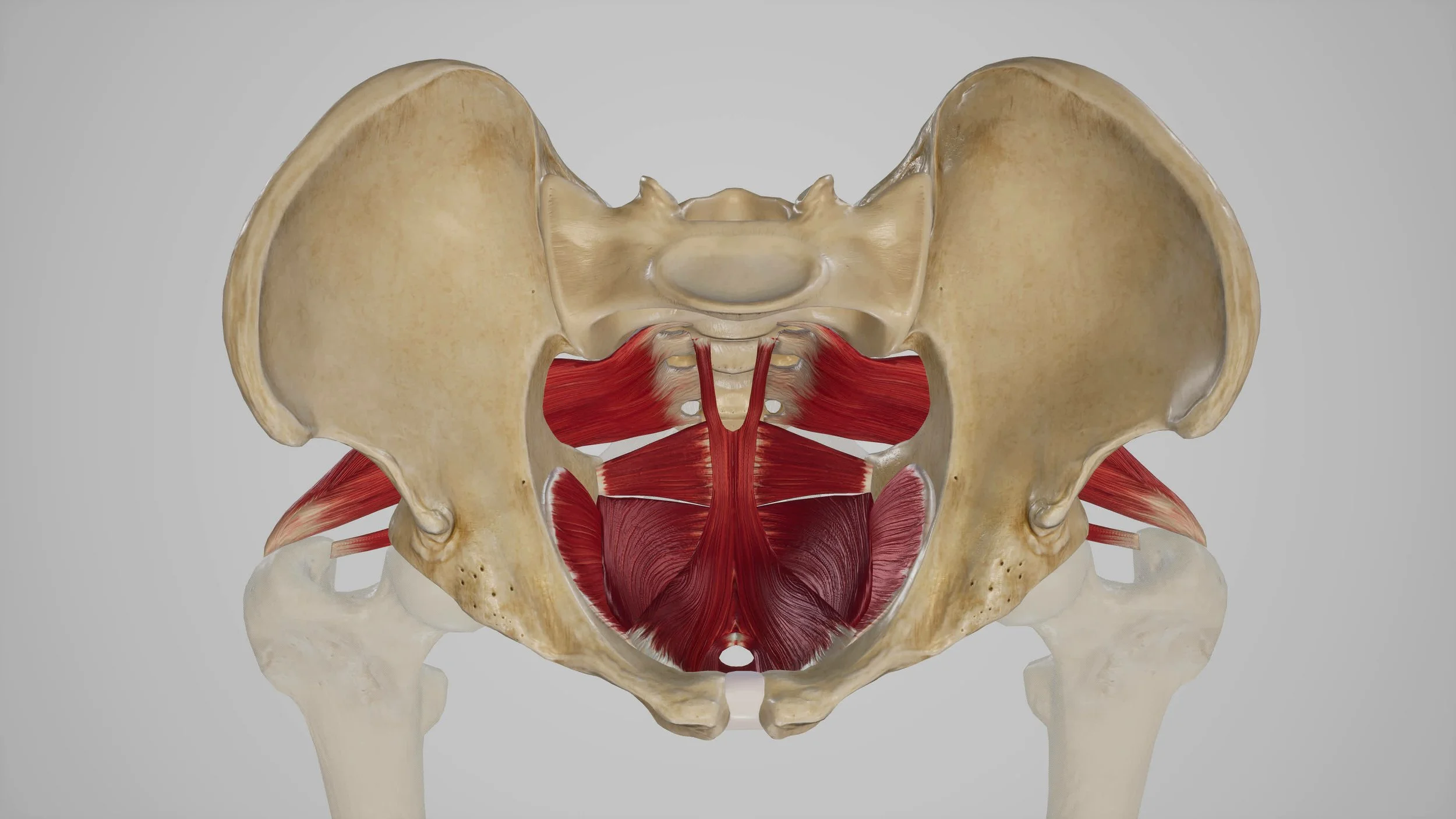
  1. The pelvic floor is made up of layers of muscles and other tissues

  2. It’s shaped like a hammock, from your tailbone to your pubic bone

  3. Exercises can help reduce the need for surgery for pelvic floor dysfunction

  4. Passing wind from the vagina when bending over can be a sign of PFD

  5. Pelvic floor issues can affect both men and women 

  6. If you’re experiencing chronic jaw soreness, your pelvic floor could be why

  7. Pelvic floor work is part of strengthening your core

  8. Doing Kegels on your own is not recommended (ask a professional - these could actually harm you!)

  9. Pain when inserting a tampon or having sex is not considered “normal” and could be a pelvic floor issue

  10. Overexercising your pelvic floor can also lead to problems

  11. The pelvic floor is controlled by the brain and nervous system

  12. Pelvic floor dysfunction can cause lower back pain

  13. The stronger your pelvic floor… the stronger your orgasms (yes, truth!)

  14. Lower estrogen levels can result in weakened pelvic floors

  15. You can experience pelvic floor issues even if you had a C-section

  16. Caffeine and alcohol can negatively affect your pelvic floor as they are diuretics and cause your kidneys to create more urine (if you can, try to switch to decaf as much as possible!)

  17. Pelvic muscle spasms can be attributed to pelvic floor dysfunction

  18. A frequent need to urinate could be a sign of pelvic floor dysfunction

  19. Almost one-quarter of women face pelvic floor disorders

  20. Women and men who are overweight or obese may have more pelvic floor issues

  21. You can fix many, many problems associated with your pelvic floor through targeted, specific exercises and PT!

Both Lea and Katie of Klein Physical Therapy in Denver, Colorado can treat pelvic floor issues. It doesn’t have to be something you “just live with.” Life can be more enjoyable with a healthy pelvic floor. Join us in-person and virtually with pelvic floor workshops and education, as well as one-on-one sessions with either of our specialized physical therapists.

Living With Pain and Injuries

(And Why You Shouldn't Put Off Trying Physical Therapy)

pain.jpeg

“And when I go like this, it hurts,” says the patient. So the doctor says, “Don’t do that.” Yet, the physical therapist says, “how about trying this, so that you can still do that.” 

When Doing the Things You Love, Hurts

No matter the activity, running, yoga, “momming”, cycling, climbing… when you injure yourself and have to stop, it has devastating results. Not just physically, but emotionally too. And, it can spiral to where you stop trying to be active, because the pain keeps coming back. 

Our bodies are interconnected in amazing ways. Take acupressure for example. Have a pounding headache? Squeezing the area between your thumb and pointer finger can reduce the pain. Similarly, with physical therapy, we use modalities to strengthen parts of the body that support other “weaker” parts. In short, physical therapy can reduce pain by helping you get stronger, diversifying the muscles you’re using, and reducing strain. 

Living With Pain Might Not Have to Be Your Only Option

“I’m fine,” you tell yourself. But are you really? Maybe for most of the day until you bend in that one particular way or come down hard on that knee during a run. Ouch. There it is again. What if you didn’t have to feel so much pain? What if it could be reduced so that you really could enjoy the activities you love? Cue physical therapy. 

“Have you tried __________________ ?”

If you’re someone who has been living with an injury, pain or chronic pain, you’re probably straight up sick and tired of (well-meaning) people asking you if you tried this or that. Yes, yes, I’ve tried that med, that herb, that stretch, that modality… you might say. 

But simply because you’ve tried a lot, doesn’t mean you’ve tried it all. It could simply be that you haven’t been matched with the right person, or that the timing of that particular remedy was off. Please, don’t give up. You do not have to live with gripping pain each and every day of your life. 

Worried that Physical Therapy Might Not Work? 

It’s an investment, simply put. Yet, it could be the one thing that (finally!) pays off. We offer a complimentary 30-minute Discovery Session so that you can try out physical therapy without risk or detriment. You are worth it. 

Come on “in” - virtual sessions available! Or, come on in to our Denver office to meet us (safely) in person.