

Pelvic Organ Prolapse and What Pelvic Floor Therapy Can Do About It
Maybe you notice a heavy feeling in your pelvis at the end of the day, or pressure when you lift your child, go for a run, or stand for a long time. Some women describe it as feeling like a tampon is slipping out. Others have trouble putting the sensation into words.
It's easy to dismiss a change that happens gradually, especially if you've been told it's part of having children or getting older. But pelvic pressure and heaviness can be signs of pelvic organ prolapse, and you don't have to keep wondering what's going on.
At Klein Physical Therapy, we help women understand these symptoms and find ways to feel more comfortable in their bodies. For many, pelvic floor physical therapy is a useful place to begin.
What Is Pelvic Organ Prolapse?
Your pelvic floor is a group of muscles and connective tissues that supports your bladder, uterus, and rectum. Pelvic organ prolapse occurs when these support structures stretch or weaken, allowing one or more organs to move downward toward or into the vaginal wall.
The symptoms depend partly on which organ is involved.
With bladder prolapse (cystocele), you may feel pressure toward the front of the vagina, need to urinate more often, experience leakage, or have difficulty emptying your bladder.
Uterine prolapse can cause a central feeling of heaviness or the sense that something is sitting lower than usual.
A rectocele, also called posterior vaginal wall prolapse, may cause pressure toward the back of the vagina and difficulty emptying your bowels.
Symptoms often become more noticeable after standing, lifting, or exercising. They may ease when you lie down. Some women have a prolapse without noticeable symptoms, which is why an examination finding doesn't always tell us how much it's affecting your life.
Why Does Prolapse Happen?
Pregnancy and vaginal childbirth are common contributors, particularly when pelvic tissues have experienced significant stretching. But prolapse can also be influenced by hormonal changes around menopause, chronic constipation, persistent coughing, repeated heavy lifting, and differences in connective tissue.
Your pelvic floor responds whenever pressure increases inside your abdomen. Lifting a laundry basket, coughing, and exercising all place demands on the muscles and tissues that support your organs. How your pelvic floor works with your breathing and abdominal muscles can influence how you manage those demands.
One thing that catches patients off guard is that symptoms may appear years after childbirth. You might have felt fine for a long time and only recently noticed pressure during workouts or at the end of the day. Changes in activity, hormones, and tissue support can all play a role.
That's why we look at how your whole body moves during a pelvic floor evaluation. Your symptoms are the starting point, but they don't always tell the full story.
When Prolapse Affects Your Bowel Movements
Bowel symptoms can be especially frustrating, partly because they're not always easy to discuss.
With a rectocele, the rectum pushes toward the back vaginal wall. You may strain to have a bowel movement, feel that you haven't emptied completely, or find that pressing against the vaginal wall helps you finish. That last technique is called splinting.
These are familiar concerns in pelvic floor physical therapy, even if you've never mentioned them to anyone before.
Bowel movements require the pelvic floor muscles to relax and coordinate. If those muscles are having difficulty relaxing, emptying can become harder. Repeated straining also places more pressure on the pelvic support tissues.
Treatment may include learning how to relax the pelvic floor during bowel movements, adjusting your toilet position, and addressing constipation habits. For some patients, biofeedback can help with muscle coordination. Your therapist will look at what's contributing to your symptoms and explain which approaches may help.
Can Pelvic Organ Prolapse Improve Without Surgery?
Many women worry that a prolapse diagnosis means they'll eventually need surgery. That isn't always the case.
For women with mild to moderate prolapse, pelvic floor physical therapy is often an appropriate first treatment. It can help reduce symptoms, improve muscle function, and make everyday activities more comfortable. How much improvement you experience depends on your individual circumstances.
Physical therapy cannot promise to reverse a prolapse or change the position of an organ, although many times we do see the prolapse improve with therapy. We focus on what can improve: how your pelvic floor works, how you manage pressure during movement, and how you feel in daily life.
A pessary may also be helpful. This removable device is fitted by a medical provider to support the pelvic organs and can be used alongside physical therapy.
Surgery is a reasonable option for some women, especially when symptoms remain bothersome despite conservative care. If you and your medical provider decide surgery is appropriate, physical therapy may support your preparation and recovery.
How Pelvic Floor Physical Therapy Helps
It's common to hear that Kegel exercises are the answer to pelvic floor problems. Strengthening can help when muscles are weak, but some women have muscles that are overly tense or don't relax and contract at the right times. Doing more Kegels without understanding what your muscles need may not improve your symptoms.
At Klein Physical Therapy, we begin with an individualized evaluation. We assess pelvic floor function alongside breathing, abdominal coordination, and movement patterns.
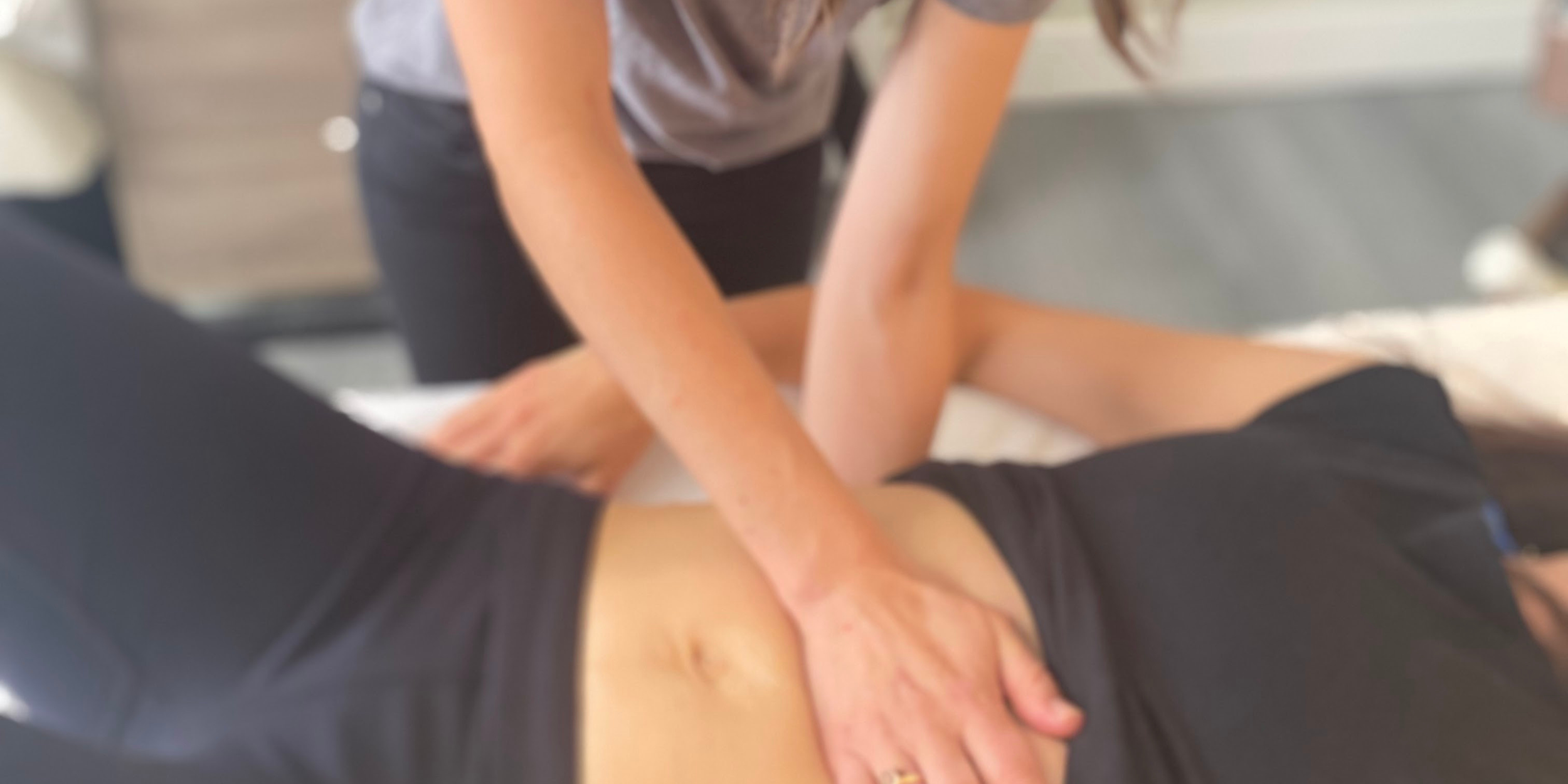
Your treatment might include exercises to build strength or improve coordination. We may work on breathing and lifting strategies so you can handle everyday demands more comfortably. If muscle tension or restricted movement is contributing to your symptoms, hands on treatment may be appropriate.
Another option we may incorporate is hypopressive exercise, a technique that combines specific postures and controlled breathing to encourage coordination between the abdominal muscles and pelvic floor. Hypopressives may help some women manage prolapse-related symptoms and can complement traditional pelvic floor strengthening.
Lea Klein, MSPT, PCES, offers personalized instruction in hypopressive exercises at Klein Physical Therapy, helping patients learn the techniques and incorporate them into a treatment plan suited to their needs.
We also talk about bowel and bladder habits, because they can affect how your pelvic floor feels and functions.
Your goals matter to us. Maybe you want to get back to running, lift your toddler without pressure, or make it through a workday more comfortably. We'll help you work toward those activities at a pace that makes sense for your body.
What to Expect at Your First Appointment
Your first visit at Klein Physical Therapy is a private, 60-minute, 1:1 appointment with a pelvic health physical therapist.
We'll start with a conversation about your symptoms, medical history, and what you've noticed in your daily routine. Your therapist may assess your breathing, posture, abdominal function, and the way your hips and spine move. An optional internal pelvic floor assessment may also be recommended to better understand muscle strength and coordination.
Before you leave, we'll talk through what we find and what your care plan could look like.
A Few Things You Can Try at Home
Small adjustments may help ease symptoms while you're waiting for an evaluation.
Notice whether you hold your breath when lifting something heavy. Try a gentle exhale as you lift instead of bearing down. If bowel movements are difficult, resting your feet on a low stool and leaning forward may help you avoid straining.
Pay attention to when pressure tends to increase. A short rest lying down may help after a long period on your feet. And unless an activity is making symptoms worse, you generally don't need to stop moving altogether. Walking and other comfortable activities can still be part of your routine.
These suggestions aren't a substitute for an assessment. They can, however, give you useful observations to share with your therapist.
Common Questions About Prolapse
Is it safe to exercise with prolapse? Often, yes. You may need to adjust certain movements or gradually increase intensity, especially if exercise brings on heaviness or pressure.
Can physical therapy help years after childbirth? Yes. Even when symptoms appear much later, you may be able to improve pelvic floor coordination, strength, and comfort.
What if I also have urinary leakage or constipation? Tell your therapist. These concerns can occur alongside prolapse and should be considered as part of your treatment plan.
Do I have to have an internal examination? No. It's your choice, and your therapist can still discuss available treatment options.
Let's Talk About What You're Experiencing
Pelvic pressure can quietly change how you go about your day. You may start avoiding workouts or thinking twice before picking something up. Over time, those adjustments can become so familiar that you barely notice you're making them.
If that sounds familiar, we'd like to help you understand what's happening and explore what may improve your comfort.
At Klein Physical Therapy in Denver, our pelvic health therapists take a personalized, whole body approach to care. Schedule an appointment or book a complimentary discovery session to talk with our team about your symptoms and next steps.
We're located near Porter Hospital in the DU neighborhood of South Denver.