Physical Therapy

Why We Chose a Cash Pay Model for Physical Therapy

Why We Chose a Cash Pay Model for Physical Therapy

One of the questions we hear most often is why our practice doesn’t bill insurance.

Most people assume that if a provider accepts insurance, care will cost less. Sometimes that’s true. Sometimes it isn’t. In physical therapy, the answer depends on much more than the price of a visit.

When I opened Klein Physical Therapy, I spent a lot of time thinking about what kind of practice I wanted to build. I knew I wanted enough time with each patient to really understand what was going on, especially for people dealing with pelvic floor issues. That simply doesn’t fit well with the way most insurance based clinics have to operate.

Pelvic floor problems are rarely caused by one thing

Someone might come in because they’re leaking urine when they run. Another person has pain during pregnancy. Someone else is months postpartum and still doesn’t feel like their body is working the way it used to.

Those symptoms may sound straightforward, but they usually have several contributing factors.

Sometimes the pelvic floor muscles are involved. Sometimes the hips are stiff, the breathing pattern has changed, old scar tissue is limiting movement, or the low back isn’t moving well. Stress, exercise habits, bowel and bladder routines, previous injuries, and even the way someone stands or lifts their child can all play a role.

You can’t sort through all of that in a rushed appointment.

The first step is listening. Then comes a thorough evaluation, hands on assessment, and putting the pieces together. Every patient leaves with a different plan because every patient arrives with a different story.

Time changes the quality of care

Every appointment at Klein Physical Therapy is one hour, 1:1 with your physical therapist.

That hour gives us room to slow down. We can reassess how you’re doing, answer the questions that came up during the week, provide hands-on treatment, adjust your exercises, and explain why we’re making certain recommendations. Education is part of treatment. The more you understand what’s happening in your body, the more confident you’ll feel managing it between visits.

Many people have told us they have never felt so heard in a healthcare appointment. That means a lot to us because being heard is often where healing begins.

Insurance shapes the way many clinics have to work

Physical therapists who work in insurance based clinics care deeply about their patients. The challenge is that they often have to work within a system that limits how care is delivered.

Insurance reimbursement has changed over the years, and many clinics have responded by shortening appointments or scheduling several patients with one therapist at the same time. Therapists may have very little control over how many people they’re expected to see each day.

Patients may also run into visit limits, prior authorizations, deductibles, and co-pays that continue long after therapy begins.

None of those things automatically lead to poor care, but they can make it harder to provide the kind of individualized treatment that complex conditions often require.

Understanding your insurance benefits

One thing we encourage every patient to do is look closely at their insurance benefits before deciding where to receive care. It’s helpful to understand both your in network and out of network physical therapy benefits.

Many people have a high deductible that must be met before insurance begins covering physical therapy. If you know you’re unlikely to meet that deductible during the year, you may end up paying the full cost of each in network visit anyway.

In those situations, choosing a cash pay practice may actually cost the same, or even less, while providing longer, one on one appointments.

Klein Physical Therapy is considered an out of network provider. If your plan includes out of network benefits, we can provide a superbill for you to submit to your insurance company. Depending on your individual plan, you may receive partial reimbursement for your visits.

Every insurance plan is different, which is why we always recommend checking your benefits so you have a clear picture of your options before starting care.

More time often means fewer visits

People are sometimes surprised to learn that paying directly for physical therapy does not always mean spending more overall.

When each visit is longer and fully focused on one person, we can usually accomplish more in that session. We have time to treat the problem, teach you how to manage it at home, and make sure you feel comfortable with your exercises before you leave.

Because of that, many of our patients don’t need to come in as often. They make steady progress between visits because they understand what they’re working on and why.

If you’re comparing costs, it’s worth looking at the whole picture instead of the price of a single visit. A longer appointment that helps you make meaningful progress may mean fewer total visits. Depending on your insurance benefits, deductible, and treatment plan, that can make a real difference in both cost and time.

Our goal has never been to keep people coming back indefinitely. We want you to recover, return to the activities you enjoy, and feel confident taking care of your body.

We wanted the freedom to treat people, not paperwork

One of the biggest reasons we chose a cash-pay model is that it allows us to make decisions based on what the patient needs instead of what an insurance company approves.

If someone would benefit from manual therapy, that’s what we do. If dry needling is appropriate, we can include it. If we need to spend extra time teaching breathing mechanics or helping someone understand how their pelvic floor works, we don’t have to watch the clock because an insurance code says we’re done.

Every treatment plan is built around the person sitting in front of us.

Is cash pay right for everyone?

Probably not.

Every family has different financial priorities, and insurance is an important resource for many people. We respect that.

For patients who want longer appointments, 1:1 care, and a physical therapist who has the time to look at the whole picture, the cash-pay model is often a good fit.

Many patients tell us that what they appreciate most isn’t simply the hour they spend in the clinic. It’s leaving with a clear understanding of what’s happening, a plan they can follow, and the confidence that they’re moving in the right direction.

That’s the experience we wanted to create when we opened Klein Physical Therapy, and it’s still the reason we practice this way today.

Ready to Get Started?

If you’re looking for personalized, one on one physical therapy that puts your goals first, we’d love to help. Whether you’re dealing with pelvic floor symptoms, pregnancy or postpartum concerns, or back and pelvic pain, our team is here to provide thoughtful, evidence-based care tailored to your needs.

If you have questions about our cash pay model, out of network benefits, or whether physical therapy is the right next step, don’t hesitate to reach out. We’re happy to help you understand your options.

Schedule your appointment today and take the first step toward moving with confidence and feeling your best.

Hip Impingement & FAI: How Physical Therapy Can Help You Find Relief

Hip pain can slow you down - whether you’re an athlete, a weekend warrior, or just trying to sit comfortably at your desk. One often-overlooked cause of chronic hip pain is Femoroacetabular Impingement (FAI), or hip impingement. It affects both men and women, and unfortunately, it’s often misunderstood or dismissed until symptoms become more severe.

 If you’re experiencing groin discomfort, hip stiffness, or pain with sitting or movement, you may be dealing with FAI and physical therapy can play a key role in helping you recover.

What Is Femoroacetabular Impingement (FAI)?

Femoroacetabular impingement (FAI) occurs when there’s abnormal contact between the ball (femoral head) and socket (acetabulum) of the hip joint. This causes friction that can damage cartilage and limit joint movement over time. FAI can lead to pain during activity or even while sitting still, and is a major contributor to chronic hip discomfort.

Types of FAI:

CAM impingement – Excess bone on the femoral head
Pincer impingement – Extra bone on the acetabulum (socket)
Combined impingement – A mix of both types

These structural changes can lead to stiffness, catching, or sharp pain in the hip, especially during deep movements like squatting or lunging.


Symptoms of Hip Impingement

Hip impingement can cause a variety of symptoms, including:

  • Sharp or aching hip or groin pain

  • Pain with sitting, squatting, or twisting

  • Decreased hip mobility

  • Clicking or catching sensation in the hip

  • Pain that radiates into the lower back or pelvic region

    In many cases, people with FAI also experience pelvic floor dysfunction, which often goes unrecognized.


How Hip Impingement Affects the Pelvic Floor

Because the hips and pelvis work as a unit, chronic hip dysfunction can lead to compensations in the pelvic floor muscles. This is true for both men and women.

You may notice:

  • Groin or pelvic pain

  • Urinary urgency

  • Tailbone pain or tension

  • Discomfort with prolonged sitting

  • Pain with intimacy or sexual activity

At Klein Physical Therapy, our team is uniquely trained to identify and treat these overlapping symptoms through pelvic floor physical therapy, giving you a more complete and lasting recovery.

Physical Therapy for Hip Impingement (FAI)

There isn’t a one-size-fits-all approach to FAI, which is why personalized care is key. At Klein Physical Therapy, we take the time to assess how your hip, pelvis, and whole body are working together, and build a treatment plan just for you.

Your FAI Physical Therapy Treatment May Include:

Manual therapy including hip mobilizations to improve joint mobility and relieve tightness
Dry needling and myofascial release to reduce muscle tension and restore movement
Pelvic floor physical therapy to address related pelvic dysfunction
Hip and core strengthening exercises for better stability and alignment
Movement retraining to restore natural function and prevent further irritation

We focus on treating the root cause of your pain—not just the symptoms—so you can get back to doing the things you love.

Why Choose Klein Physical Therapy?

At Klein Physical Therapy, we provide compassionate care for a variety of conditions, specializing in pelvic health (for both men and women), women’s health, spine physical therapy, and whole-body wellness. Our evidence-based, hands-on approach allows us to address hip impingement through the lens of pelvic floor physical therapy - a highly effective approach.

Our team works with all genders, and we are passionate about creating a welcoming space where you feel heard, supported, and empowered.

Ready to Get Started with Hip Impingement Physical Therapy in Denver?

If you suspect you’re dealing with hip impingement or femoroacetabular impingement (FAI), don’t wait for the pain to get worse. Our team at Klein Physical Therapy is here to help you move with confidence again.

Located in Denver, Colorado’s South Downing Business and Wellness District

 
hip pain treatment

Understanding Pelvic Floor Dysfunction: Signs, Symptoms, and Solutions

Understanding Pelvic Floor Dysfunction: Signs, Symptoms, and Solutions

Understanding Pelvic Floor Dysfunction: Signs, Symptoms, and Solutions

Pelvic floor dysfunction is a common, yet often misunderstood, condition that affects millions of women and men worldwide.

While it can lead to discomfort, embarrassment, and a decline in quality of life, many people aren’t aware of what pelvic floor dysfunction is—or how it can be treated.

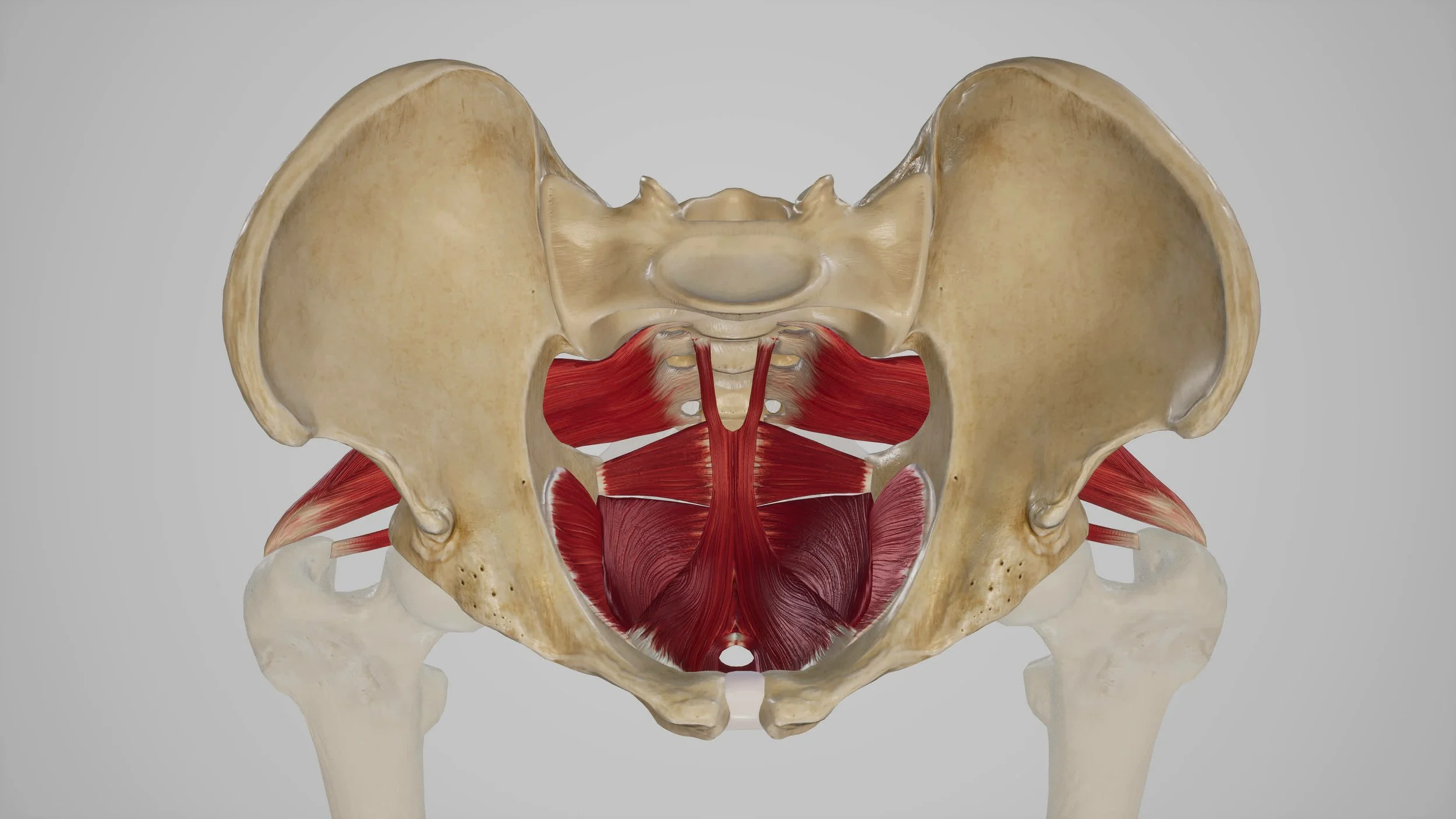
In this post, we’ll discuss the anatomy of the pelvic floor, the various types of dysfunction, and how physical therapy can offer effective solutions to regain control and improve overall well-being.

Hip Flexor Pain And Causation, Plus Treatment Approaches

The hip flexor pain or iliopsoas related pain is pain that takes place in your hip flexor muscles located at the front of the hip. One of the main hip flexors is the iliopsoas muscle which is made up of two parts: the psoas muscle and the iliacus muscle.  


The psoas muscle begins at the lumbar spine while the iliacus muscle begins at the inside of the pelvis. These muscles run together and ultimately merge at the iliopsoas. Iliopsoas pain, or hip flexor pain, can be tied to these muscles themselves, the tendons fusing the muscles, or the tendon and the bursa. 


hip flexor anatomy
 

What Is Hip Flexor Strain? 

There are many hip flexor conditions that can cause a pain to an individual including: 


Symptoms Of Hip Flexor / Related Pain

If you are experiencing pain as a result of groin or hip flexor stress, you are most likely experiencing discomfort around the front of your hip or upper thigh. Occasionally, depending on the condition, pain can extend into the lower back or lower abdomen. This pain is often described as a tightness in the area. 


There are a few symptoms one may be experiencing related to hip flexor or iliopsoas pain. If you experience pain when doing hip flexion or hip extension moves, chances are these may be related to your hip flexor. Levels of pain differ from individual to individual, and make everyday tasks like walking and even lifting the leg uncomfortable. 


Some Causes of Hip Pain

Outside of a clear hip related injury, hip flexor pain can present itself gradually over time. If there is not a clear injury behind your hip discomfort, there may be some other common causes of hip flexor pain such as: 

 
  • Repeat Hip Flexion/Extension: This could be the result of an athletic activity or sport that requires hip flexion and hip extension like sprints. 

  • Weakness of the core: When your abdominal muscles and gluteal muscles are weak and improperly firing, the hip flexors end up overfiring.

  • Postures: Sitting, standing, or remaining in fixed postures for long periods of time can cause an increased load of stress on your hip flexors


Treatment Options for Less Hip Pain

There are a number of treatment options depending on the level of discomfort and stress in the area. As physical therapists, our job is to determine if the muscle is truly tight, or just in spasm and weak.  We can perform manual release techniques or dry needling as well as stretching and strengthening as needed to relieve pain.


Other options include injections, most commonly in the form of cortisone shots.  However, this is a more invasive option that should only be tried if conservative measures don’t work.  


Klein Physical Therapy is here to help. We meet our clients where they are at, providing a thorough assessment and treatment plan to help you heal and get back to doing the things you love.


Our goal at Klein Physical Therapy is to become the best version of yourself with personalized, high quality, and one on one physical therapy sessions. Schedule a free discovery session with us online today!  


We now have two locations for physical therapy in the Denver area. Klein Physical Therapy is located in the Pilates Collective near the University Hills Shopping Center and inside Harmony’s Family Cooperative in Cherry Creek.


OUR LOCATION

Address: 2401 S Downing St, Denver, CO 80210, United States


OUR HOURS OF OPERATION

Monday 7am–3.30pm

Tuesday 8am–3pm

Wednesday 7am–6pm

Thursday 8am–5pm

Friday 7am–3pm

Saturday Closed

Sunday Closed


OUR PHONE NUMBER

(720) 252-6304


Postpartum Pains : Chronic Anal Fissures

Postpartum Pains : Chronic Anal Fissures

Postpartum recovery can come with unexpected challenges, including common issues like hemorrhoids and anal fissures. Hemorrhoids, swollen and painful veins in the rectal area, often develop due to the strain of childbirth. Meanwhile, anal fissures—small tears in the anal lining—are frequently mistaken for hemorrhoids but can be equally painful. If left untreated, these conditions can cause discomfort long after delivery. Learn about effective, non-surgical treatments like pelvic floor physical therapy that target pain relief and healing. Klein Physical Therapy specializes in helping postpartum women recover with personalized, one-on-one care. Book a free consultation today to regain your comfort and well-being.

Dry Needling and Physical Therapy

dryneedling.png


What is Dry Needling and How Does it Work? 


While the name of the treatment may sound intimidating or scary, dry needling is safe, minimally discomforting and often an effective technique for patients with certain musculoskeletal presentations. Dry needling is a treatment performed by skilled, trained physical therapists, certified in the procedure. A thin monofilament needle penetrates the skin and treats underlying muscular trigger points for the management of neuromusculoskeletal pain and movement impairments.


What’s a trigger point, you ask? It’s a tight band in a muscle fiber that can cause disruption in function, change or restrict range of motion, or can cause pain and tenderness. When the trigger point is treated with dry needling, it can increase blood flow and decrease tightness and pain. 


We Typically Use Electronically Stimulated Dry Needling


Although dry needling sounds very similar to acupuncture, and they use similar equipment, they are entirely different procedures. Dry needling is performed by different practitioners with different training. Acupuncture is based on Eastern medicine, while dry needling is rooted in Western medicine and evaluation of pain patterns, posture, movement impairments, function and orthopedic tests. 


In fact, at Klein Physical Therapy, we typically use electronic stimulation when we dry needle. The electronic “stim” helps with more effective release and also improved facilitation of the muscle as well (how it contracts). 


Who can Benefit from Dry Needling and is it Painful?


Dry needling is typically used as one treatment in an overall plan that may also include physical therapy, heat therapy and education. Those patients experiencing any of the following symptoms, may benefit from dry needling: joint or disk problems, tendonitis, migraines, jaw and mouth problems, whiplash, pelvic pain, phantom pain, or spinal problems. Patients who are pregnant or who are very afraid of needles should avoid this treatment in the first trimester and consult with a medical professional before moving forward. 


Dry needling may benefit me, but will it hurt? Dry needling can be painful depending on the severity of the injury and the location of the sore or tight muscle(s). The muscle may experience a slight contraction once the needle is inserted through the skin which may cause some pain or twitching. Interestingly enough, this reaction can be a good sign because it means the trigger point has been hit. 


After the treatment, patients may experience soreness in the area for up to 48 hours, but this should not be cause for concern. Each patient should always keep open communication with their provider should they be experience pain that lasts for more than 48 hours or if they feel the pain is too intense. 


Possible Side Effects from Dry Needling


Although there are typically always minor side effects with dry needling, such as bruising, minimal bleeding or temporary soreness, major side effects are extremely rare. The biggest risk factor to always double check with your provider is if they’re using sterile needles and that they dispose of these needles after each treatment. Also, be very sure that your practitioner is qualified, educated and trained in this method. Pneumothorax (when needling in the lung field) is a rare possibility.  That’s why it's so important to go to a provider who is proficient at it. (Hint: we are highly experienced in Dry Needling)


Conclusion on Dry Needling


Overall, dry needling can be effective if used within a comprehensive health plan. It’s always a good idea to look at the root of the problem and try to prevent injuries first. Be sure to seek out a medical professional you can trust and who has a legit background in dry needling. Lastly, dry needling isn’t always covered by health insurance agencies. Be sure to call your health insurance provider to inquire about costs first.  


Interested in Dry Needling? Come in for a Discovery Session at Klein Physical Therapy, P.C.

PT for LBP (Lower Back Pain)

LowerBackPain.png

Ouch!!! Not again….

If you’re a lower back pain sufferer… you know when you’ve pulled “that” muscle again. And, you know that you’re in for 2 or more weeks of acute pain. This can limit your activity and impair your work performance. It can stop you from playing with your kids, exercising, or enjoying nearly every activity.

Physical Therapy for Lower Back Pain

If you’re an “LBP” sufferer (what we call it at Klein Physical Therapy in Denver), you know that there isn’t much that helps…. except physical therapy. The muscles in your lower back (the erector spinae muscles), help support your spine and connect to your gluteal muscles. They have a lot of work to do! When your core is weak, your back muscles can try to support everything on their own… which can lead to inflammation when they are agitated. (aka, pain!)

Physical therapy for back pain in Denver is a very highly searched phrase. That’s because this kind of lower back pain is so common for so many of us humans. I mean technically… we aren’t “supposed” to even be walking upright. When our ancestors started this trend, it helped us a lot, but also created some issues… such as babies having to develop outside the womb in the fourth trimester, and, you guessed it, lower back pain.

Can You Heal Chronic Lower Back Pain with Physical Therapy?

So, we know it helps, but can physical therapy actually heal lower back pain? Yes, you actually can. And if you can’t heal it all the way, physical therapy can severely reduce the pain you experience. If you’ve tried other healing modalities (massage for one), you might have discovered that the muscles in your lower back are extremely hard to get to. It takes muscle training and strengthening to get the right tension in the supporting muscles so that one is not doing the job of two, three, four or more others (which can result in a strain or sprain).


Welcome to Klein Physical Therapy

We are a team a physical therapists that are dedicated to making sure you can move! (Properly and in a way that doesn’t create pain!). We can help you strengthen your core and live a life that doesn’t have to be so painful. Lower back pain is difficult to live with. If it’s affecting areas of your life (sleep, work, family), we can’t encourage you enough to try physical therapy. If you’ve done everything except tried PT and you’re curious if it could help, try a complimentary discovery session by clicking here. 

KleinPhysicalTherapy.png

Try a Discovery Session

On a limited, first-come, first-served basis, we are offering 30 minutes of our time to help you determine whether Physical Therapy might be right for you. Never tried PT? Wondering if it will work for your specific issue? Try a 30-Minute complimentary Discovery Session with one of our Physical Therapists and get back to doing the things you love.